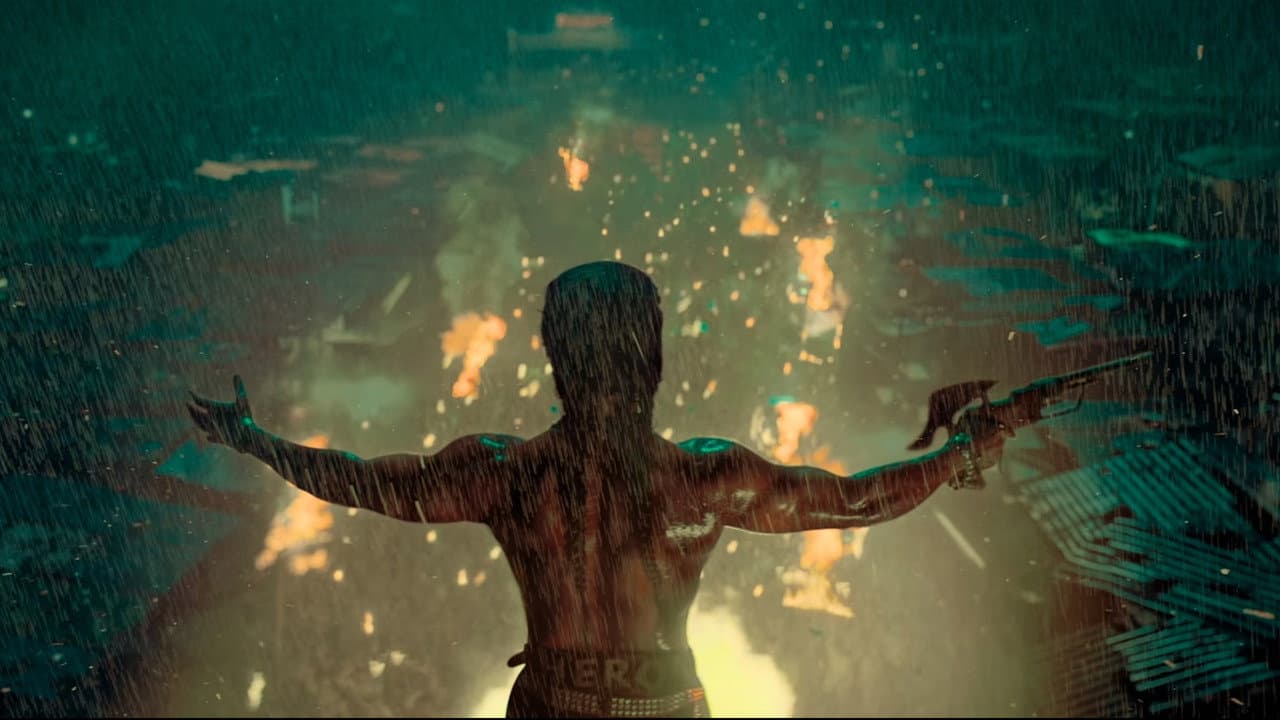
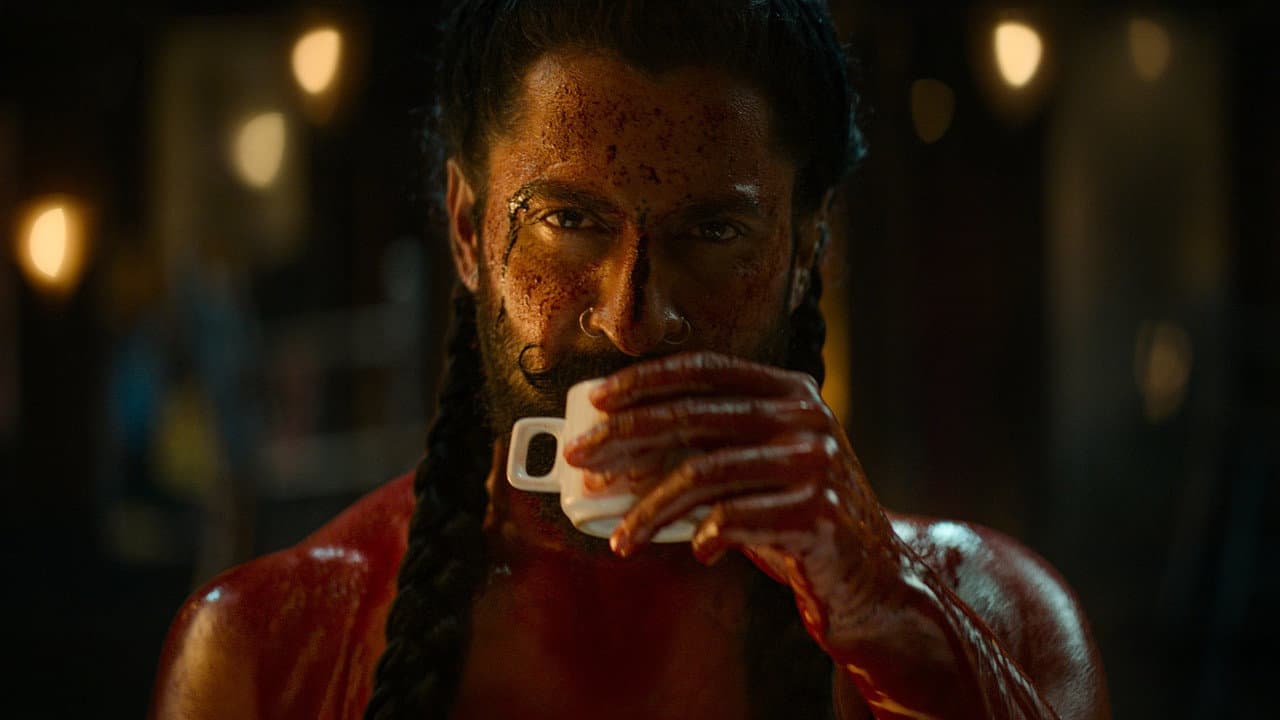
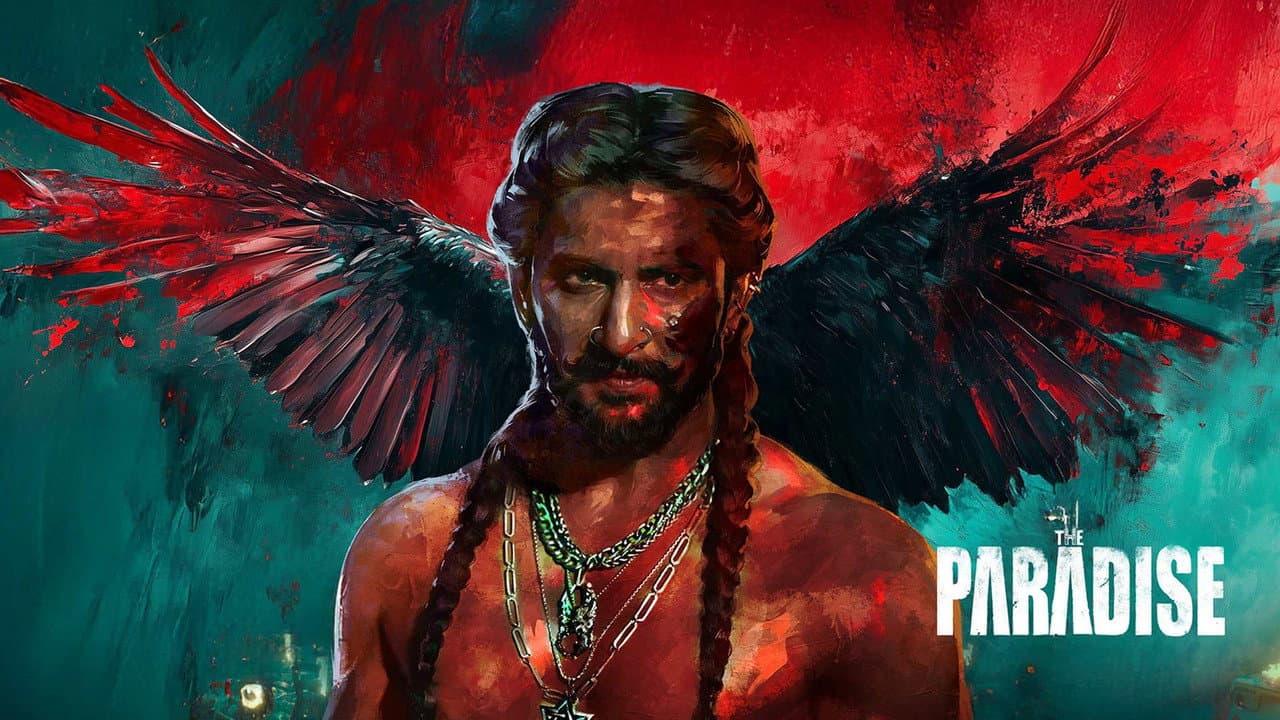
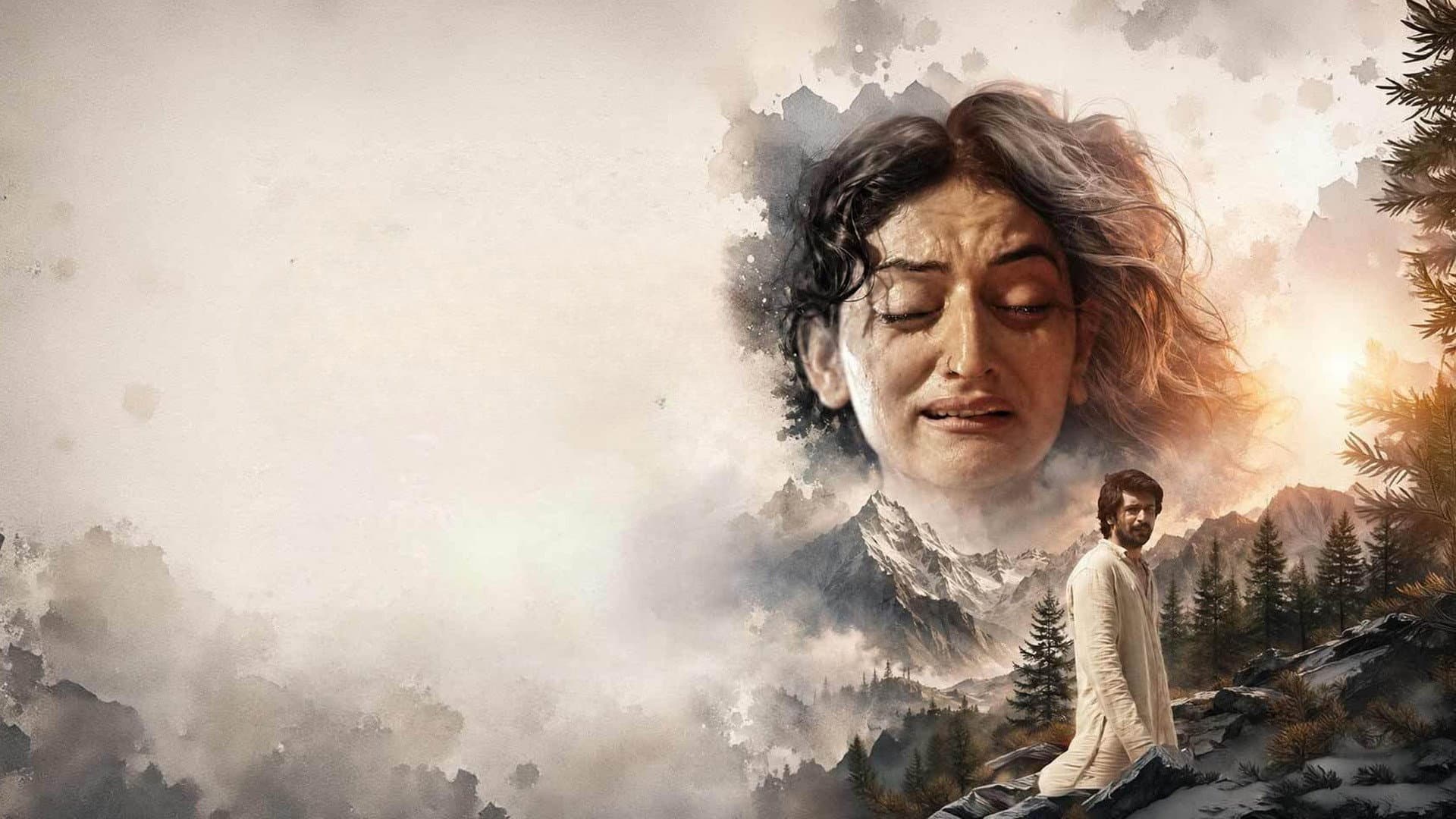
Let's get the obvious out of the way: The Paradise is not a subtle film, and it doesn't want to be. Odela directs like a man with a point to prove, and the film's best sequences carry a physicality that few mainstream Telugu films attempt. The action here isn't choreographed for applause; it's staged for discomfort. Bodies fall badly, wounds linger, and the camera refuses to look away.
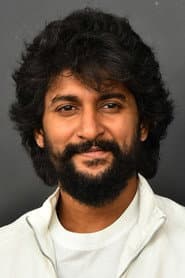
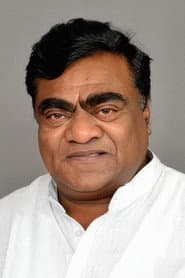
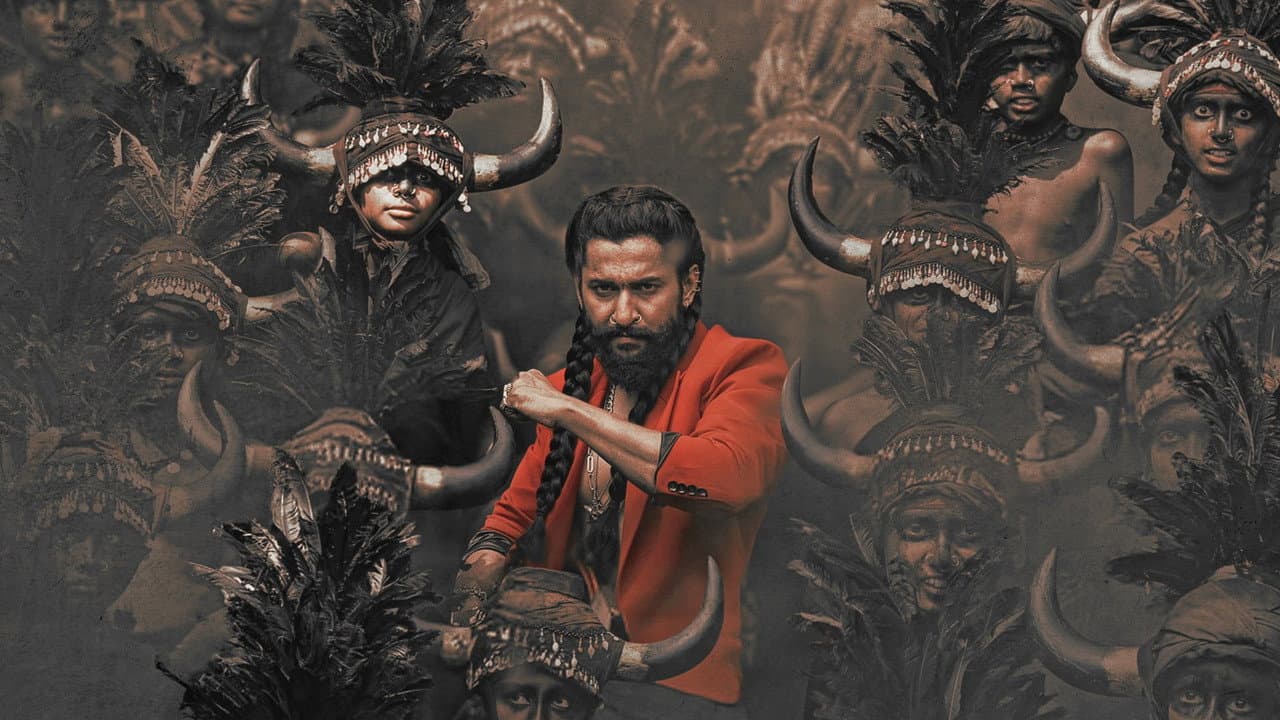
Nani is the anchor. This is a performance built on silences - Jadal speaks less than you'd expect from a star vehicle, and the actor fills those gaps with a coiled wariness that pays off spectacularly in the third act. Sonali Kulkarni brings a quiet steel to Sammakka, and the scenes between her and Nani are the film's emotional core. Mohan Babu, meanwhile, seems to be enjoying himself enormously as the venomous Shikanja Maalik, even if the writing sometimes reduces him to a symbol rather than a person. Raghav Juyal continues his hot streak as a genuinely unsettling antagonist.
The film's problems are structural. At 174 minutes, The Paradise has a sagging second hour where subplots multiply faster than they resolve. Kayadu Lohar's Subbu is underwritten, and Sampoornesh Babu's comic relief as Biriyani lands awkwardly against the film's grim tone - the audience around me laughed, then shifted uncomfortably, unsure whether it was supposed to. The Hindi dubbing also flattens some of the regional specificity; certain lines about land records and local administration land harder in Telugu, I suspect.
But when Odela locks in, he's formidable. There's a sequence involving a queue at an office window that ranks among the year's most quietly devastating filmmaking. The climax chooses catharsis over realism, and honestly, that's the right call.
What strikes me most is the film's refusal to sentimentalise its subjects. The tribe in The Paradise isn't noble or saintly; they're exhausted, fractious, occasionally cruel to each other. That's a braver choice than any punch.