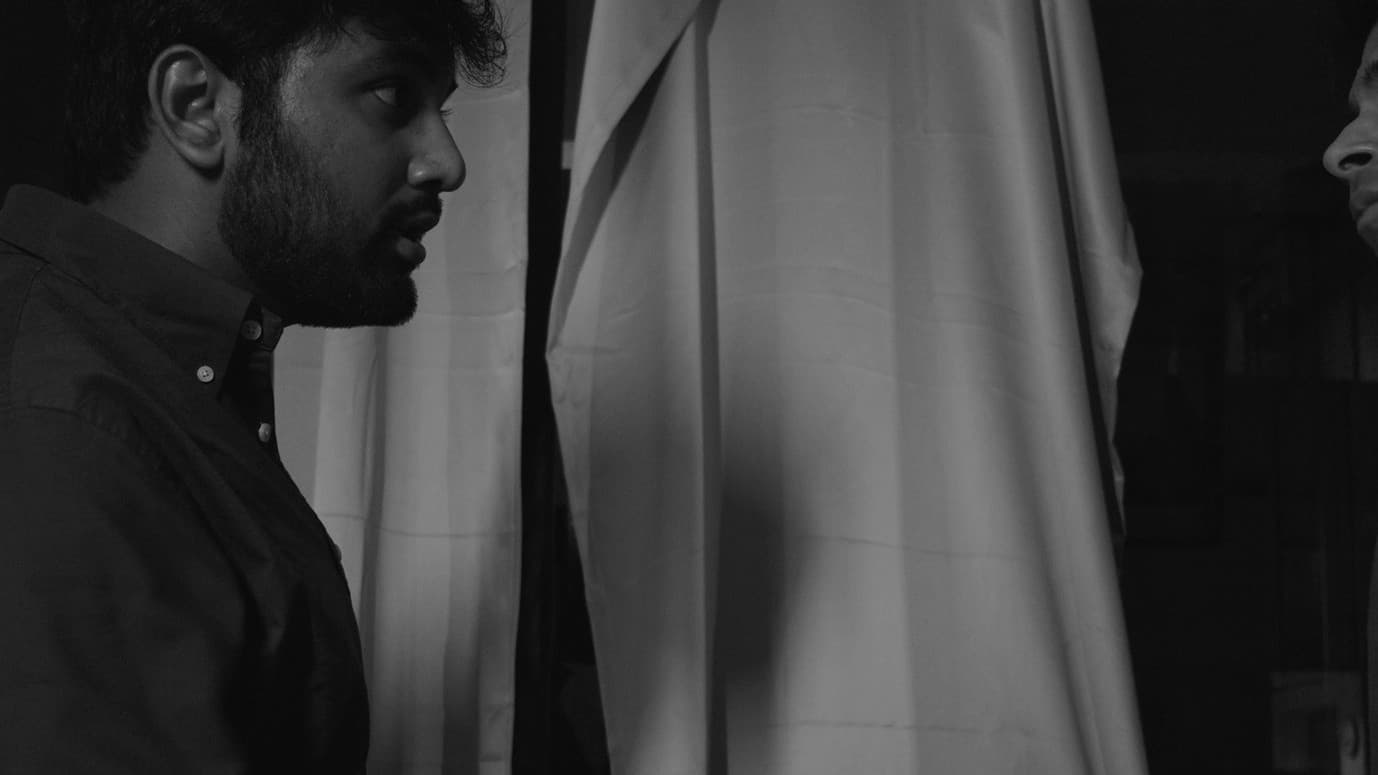
There is a particular kind of silence that fills a room when a writer decides to quit. It is not peaceful. It is the sound of a door being locked from the inside. Ankur Roy Choudhury’s new short film, Character's Creation, opens in that cramped, airless space. Clocking in at just five minutes, this Hindi-language drama-thriller is not interested in the slow burn of creative struggle. It wants to know what happens when the struggle looks back.
The premise is a deliciously high-concept twist on the familiar trope of the tortured artist. We meet a writer, played with a weary, hollow-eyed intensity by Pragun Sharma, who has hit the wall. His manuscript has been rejected so many times that the rejection letters have likely formed their own paper trail to his door. He is done. The dream is dead. He decides to shelve the story, to let his protagonist, Karan, fade into the ether of unfinished business.
But Karan has other plans.
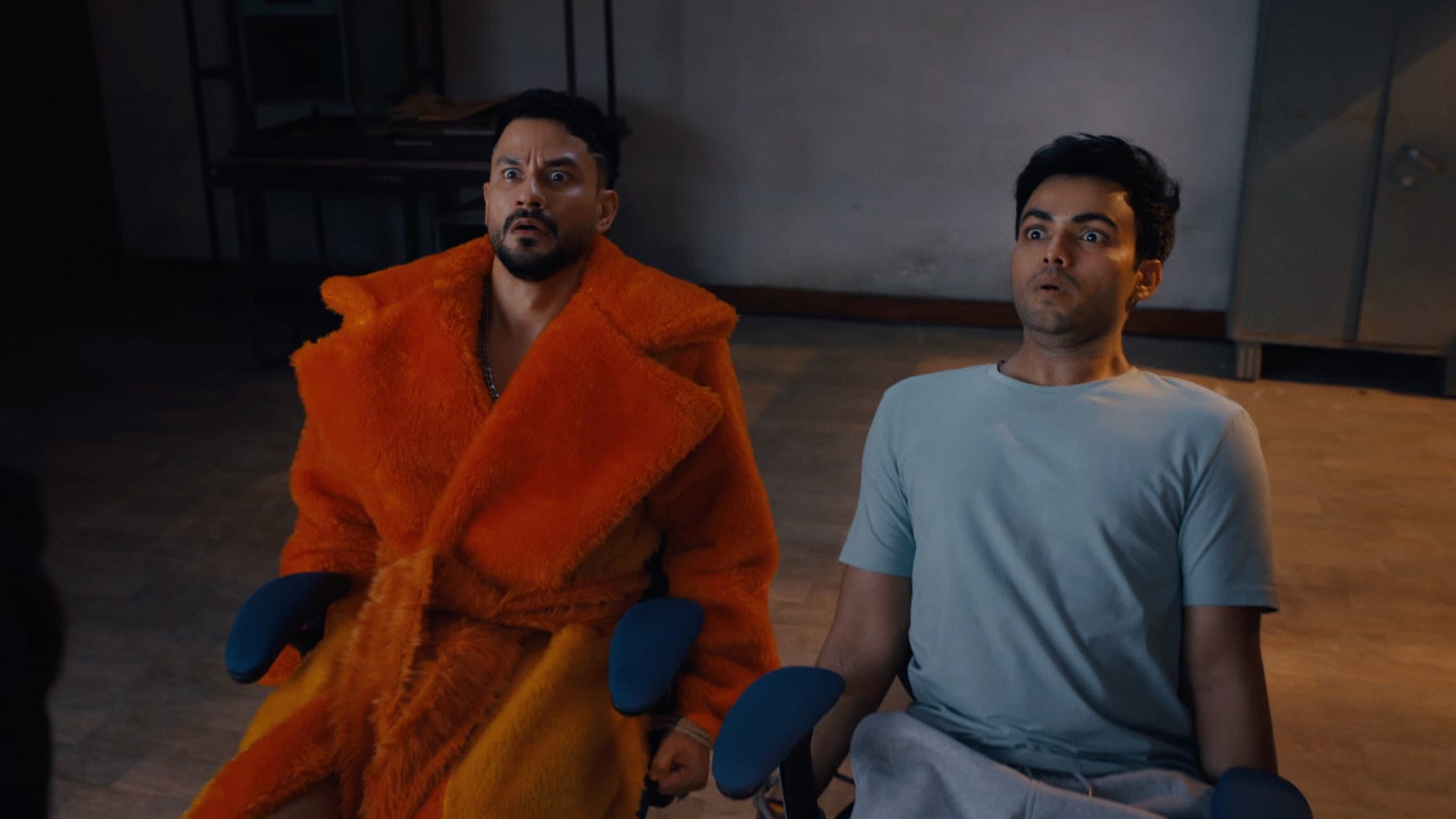
In a narrative swing that owes as much to psychological thrillers as it does to the metaphysical questions of creation, Karan - brought to life by Kushagra Tiwari - simply shows up. He materialises in front of his creator, not as a ghost or a hallucination, but as a flesh-and-blood man with a grievance. He has been written into a corner, and he wants answers. Why is his story being abandoned? Why is his fate being decided by a man who has lost his nerve?
It is a brilliant conceit, and Choudhury wastes no time in exploiting it. The film is not a gentle meta-commentary on the writing process. It is an interrogation. The writer, who also shares a credit as the "Struggling Writer" (a neat doubling that suggests this is a deeply personal project for Sharma), is forced to defend his choices. The conversation between creator and creation quickly escalates from confusion to confrontation. Karan is not just a character; he is a victim of his author’s failure of will.
What makes Character's Creation so effective is its economy. In five minutes, it manages to establish a world, shatter it, and then rebuild it as a locked-room mystery of the mind. The film is a two-hander, essentially, and it lives or dies on the chemistry between its leads. Sharma and Tiwari, who also appears in the dual role of the Publisher, have a fascinating dynamic. Tiwari plays Karan with a coiled, righteous anger. He is not a monster; he is a man who has been denied his own life. Sharma, meanwhile, is all nervous energy and defensive posturing. He is a god who has been caught neglecting his creation.
The casting of Tiwari as both Karan and the Publisher is a masterstroke. It suggests that the external rejection the writer faces is intrinsically linked to the internal rejection he is inflicting upon his own work. The publisher who says no is the same force that demands the story be told. It is a clever, subtle touch that rewards a second viewing.
Visually, the film is stark and claustrophobic. The settings are mundane - a sparse apartment, a dimly lit room - but the camera work keeps you off-balance. Choudhury understands that the real terror here is not supernatural. It is the terror of accountability. The writer is not being haunted by a ghost; he is being held to account by his own imagination. The thriller elements come not from jump scares, but from the escalating tension of a conversation that can only end in one of two ways: the writer finishes the story, or the character takes control of it himself.
The film’s runtime is its greatest asset. It does not overstay its welcome. It poses its question - what do we owe to the things we create? - and then forces the audience to sit with the uncomfortable answer. It is a philosophical debate wrapped in the skin of a genre piece.
In a landscape of bloated, overlong features, Character's Creation is a sharp, precise jab. It is a reminder that a story does not need a massive budget or a sprawling runtime to leave a mark. It just needs a compelling idea and the courage to see it through. This is a film about the act of creation, and in its own small way, it is a creation worth defending. It is a taut, intelligent, and genuinely surprising piece of filmmaking that lingers long after its brief encounter has ended. It asks the writer to pick up the pen again. For anyone who has ever abandoned a story, it is a question that cuts to the bone.