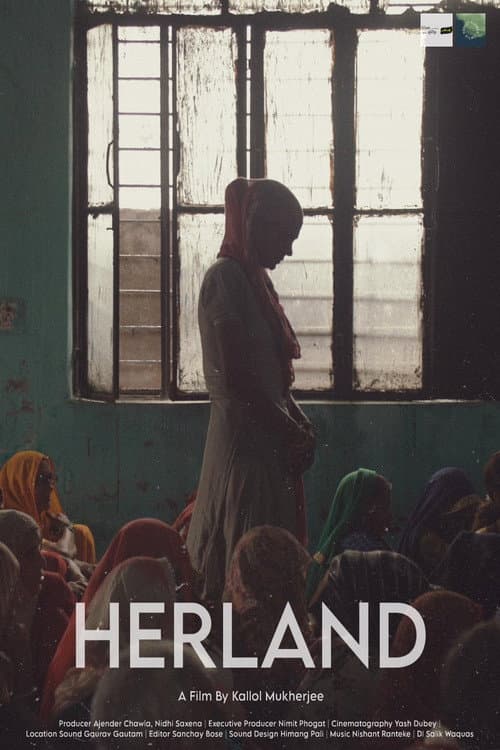
It’s a rare and bracing thing when a film arrives with the weight of a manifesto yet the intimacy of a whispered secret. Today, September 9, 2026, marks the release of Herland, a 61-minute Hindi-language documentary from director Kallol Mukherjee that refuses to let its audience look away. This is not a film about a village; it is a film about the architecture of silence - and the women who are slowly, methodically, dismantling it brick by brick.
Set in a deeply conservative Indian village where the simple act of stepping outside is a privilege granted only by male permission, Herland centers on Bhagyashree, a woman whose quiet defiance becomes a conflagration. Mukherjee, known for his unflinching observational style, does not give us a hero’s journey in the traditional sense. Instead, he gives us a process: the slow, agonizing calculus of resistance. Bhagyashree is not a firebrand by nature. She is a woman who has learned to count the cost of every glance, every footstep, every word spoken too loudly. And yet, as the film unfolds, we watch her gather a sisterhood - women who begin to understand that the air they breathe is not theirs by right, but by concession.
The documentary’s power lies in its restraint. There are no sweeping drone shots of picturesque landscapes, no melodramatic score to cue our emotions. Mukherjee’s camera lingers on the mundane: the hesitation before a door opens, the downward cast of eyes when a man passes, the way a saree’s pallu is adjusted to cover more than just the body - it covers ambition, anger, and desire for a different life. The film’s 61-minute runtime is a deliberate choice. It is long enough to immerse, short enough to feel like a held breath. And that is precisely the point. Herland is not a comprehensive history of Indian patriarchy; it is a slice of lived truth, urgent and unedited.
What makes the film particularly striking is its refusal to paint the men as cartoonish villains. There are moments of unsettling tenderness - a father who loves his daughter deeply but cannot conceive of her working in a field beside strangers. A husband who sees his wife’s intelligence but fears the community’s whispers more than her disappointment. Mukherjee captures these contradictions with a documentarian’s empathy, allowing the viewer to feel the gravitational pull of tradition without excusing its cruelty. The result is not a polemic but a tragedy in real time.
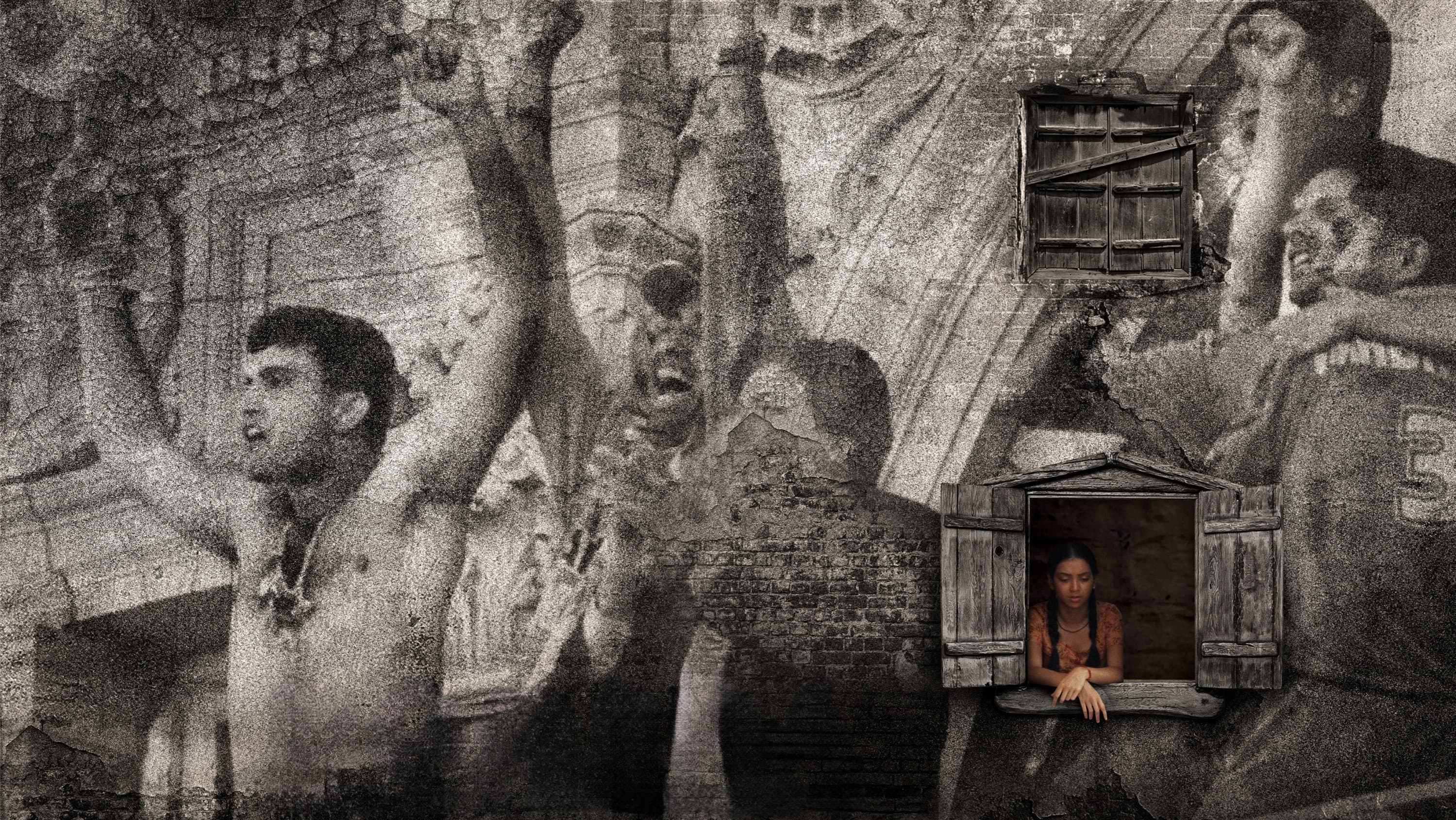
Bhagyashree’s journey is marked by small victories that feel monumental. A stall at the local market, a negotiated wage, a moment when she speaks at a gathering without first asking permission. But as her sisterhood grows, so does the danger. The film’s second half tightens like a coil. The men’s resistance shifts from paternalistic sighs to something far more sinister. Veiled threats, economic sabotage, a chilling sequence where the women’s work is quietly undone overnight. Mukherjee never shows violence directly; he doesn’t need to. The fear in the women’s eyes, the sudden tightening of a shawl around the shoulders, tells us everything.
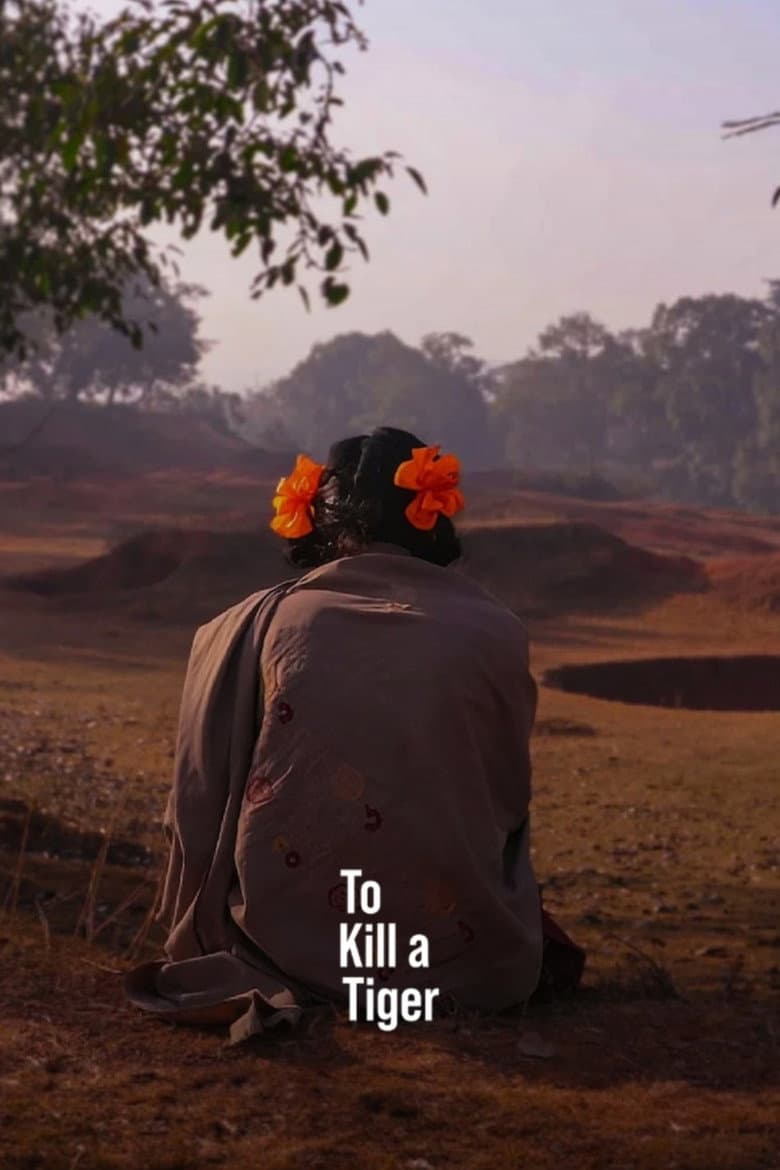
The question Herland poses is stark: How much are they willing to risk? It’s a question that has no tidy answer, and the film wisely avoids one. There is no triumphant closing montage, no epilogue that reassures us change has come. Instead, we are left with a single, lingering shot of Bhagyashree at dawn, standing at the edge of the village, her back to the camera. Is she about to step forward or turn back? The ambiguity is the point. Equality, the film suggests, is not a destination but a perilous daily negotiation - one that can end at any moment.
For Bollywood, a space often dominated by spectacle and star-driven melodrama, Herland feels like a quiet seismic shift. It is a documentary, yes, but one that engages with the narrative tools of fiction: rising tension, character arcs, and a thematic resonance that lingers long after the credits roll. It demands to be watched in a dark room, with minimal distractions, because its subject matter - women claiming their own labor, their own bodies, their own futures - requires nothing less than full attention.
There is no star cast to promote this film, no trailer with explosive cuts. There is only the story, told with a fierce, almost unbearable clarity. Herland is not an easy watch, nor should it be. It is a mirror held up to a society that often prefers to look away. But for those willing to sit with its discomfort, the film offers something rarer than entertainment: a moment of profound recognition. Bhagyashree’s fight is not hers alone. It belongs to every woman who has ever been told to wait, to be quiet, to know her place. And in that universality, Mukherjee has crafted something quietly revolutionary. It just might change how you see the world - and the women who are brave enough to step outside it.