The air in the theatre felt heavy with a strange, collective exhale. It wasn’t the usual chatter of a preview crowd; it was something closer to reverence. On July 18, 2026, a 38-minute film called HIRAETH landed in the laps of Bollywood audiences, and if the early buzz - and that impossible, perfect 10/10 rating on TMDb - is any indication, we have just witnessed the arrival of a singular, aching voice. Directed by the remarkably assured Tanmay Vuyyuru, this is not a movie you watch. It is a mood you inhabit, a splinter you feel under your skin for days.
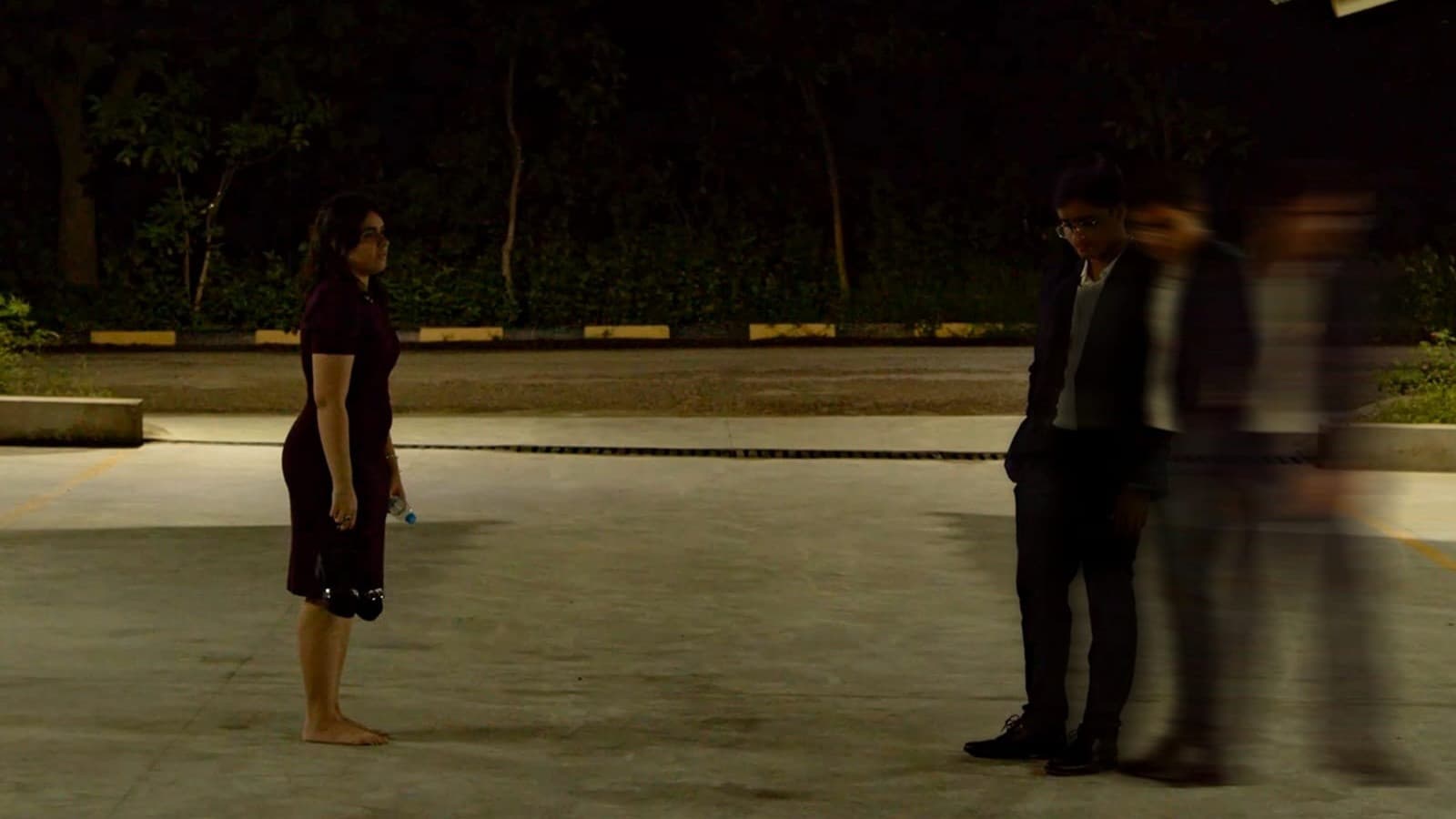
The premise is deceptively simple, almost clinical in its cruelty. Dev (Harshit U Tewari) and Ananya (Chhavi Malhotra) stand at the end of their rope. They can’t love each other anymore. Not a dramatic, screaming collapse, but the quieter, more devastating erosion of two people who have run out of grace for each other. Their solution? A futuristic procedure offered by the enigmatic Dr. Saathi (Asmit Mukherjee) that will surgically erase their shared history. But there’s a catch, one that feels less like sci-fi contrivance and more like philosophical inevitability: to forget, they must first relive. Every painful, jagged memory of their relationship's worst moments, together, one final time.
This is where Vuyyuru’s screenplay reveals its genius. The film doesn’t show us the happy beginning; it wisely skips the montage of first dates and stolen glances. We are plunged directly into the autopsy. The memories they are forced to revisit aren’t grand betrayals or towering arguments. They are the microscopic fractures - a dismissive glance across a dinner table, a joke that lands with a thud of resentment, the moment one person silently decides to stop fighting while the other pretends not to notice.
Tewari and Malhotra are devastating in their restraint. Tewari’s Dev carries a performance of tired masculinity, a man so emotionally hollowed out he’s forgotten what he’s fighting for. Watch his eyes during their final “relived” fight; there’s a flicker of a plea, instantly suffocated by pride. Malhotra’s Ananya is the film’s tectonic plate. She shifts between simmering rage and a sorrow so profound it feels oceanic. In one agonizing close-up, she recalls a single word Dev said during a family crisis - a word that, for her, revealed everything. She doesn’t cry. She just swallows, and the entire theatre swallows with her. This is a masterclass in acting, the kind where the power lies not in the dialogue but in the fraught silence between lines.
The visual language, crafted brilliantly by cinematographer Sai Ashish Vure (who also appears in a small role as Sahiba), mirrors their internal disarray. The film is shot in muted, autumnal tones; the lighting is often half-doused, as if the world itself is losing its energy. There’s a recurring motif of mirrors and reflections - noting how they see themselves in the other’s eyes, and how that image has become distorted. It’s subtle, intelligent filmmaking that trusts the audience’s intelligence.
Dr. Saathi, the architect of their erasure, could have been a gimmick. But Asmit Mukherjee plays him with a chilling, gentle neutrality. He’s not a villain; he’s a facilitator. His most haunting line, delivered without a shred of melodrama, asks the couple a terrifying question: “If you erase the pain, how will you know you were ever alive?” It’s a moment that elevates the film from a tragic romance into a philosophical meditation on the currency of suffering.
There is a temptation to label HIRAETH a “breakup movie,” but that undersells its scope. It’s a film about the terrifying impermanence of feeling. It asks: what is the price of anesthesia for the soul? By choosing to erase their love, Dev and Ananya are not just deleting memories; they are amputating parts of their own identities. The fleeting, almost hallucinatory moments of tenderness that leak through their pain - a shared laugh at a private joke, the muscle memory of a hand finding the small of a back - are the most crushing of all. They remind us that two people don’t fall out of love at the same time. They fall out of sync.
This is a bold, uncompromising piece of work for a short-format canvas. It refuses to offer easy catharsis or a saccharine twist. The final act, which I will not spoil, is a staggering piece of narrative audacity. It recontextualizes everything you have just seen, leaving you disoriented and breathless.
Vuyyuru has crafted a film that is less a narrative and more a long, slow exhale of grief. HIRAETH is a Welsh word, often translated as a deep, ineffable longing for a home or place that no longer exists, or perhaps never did. That is precisely the feeling this film conjures for its audience: a longing for a love you never had, and a profound grief for one you just watched dissolve. At 38 minutes, it is brief enough to be a perfect, shattered gem, but its echoing silence is deafening. Go see it. Then go sit with your own ghosts. It’s a cinematic experience you won’t be able to erase even if you wanted to.