
The silence in the interrogation room is the loudest thing about Shivam Nair’s new film. It’s September 2026, and the theatrical release of Mukhbir: The Story of a Spy - The Movie has been lingering in the air for two months, yet the conversation refuses to die down. That’s because this isn’t just another espionage thriller. It’s a slow-burn drama about identity, written in the language of paranoia, and anchored by a cast that treats every glance like a weapon.
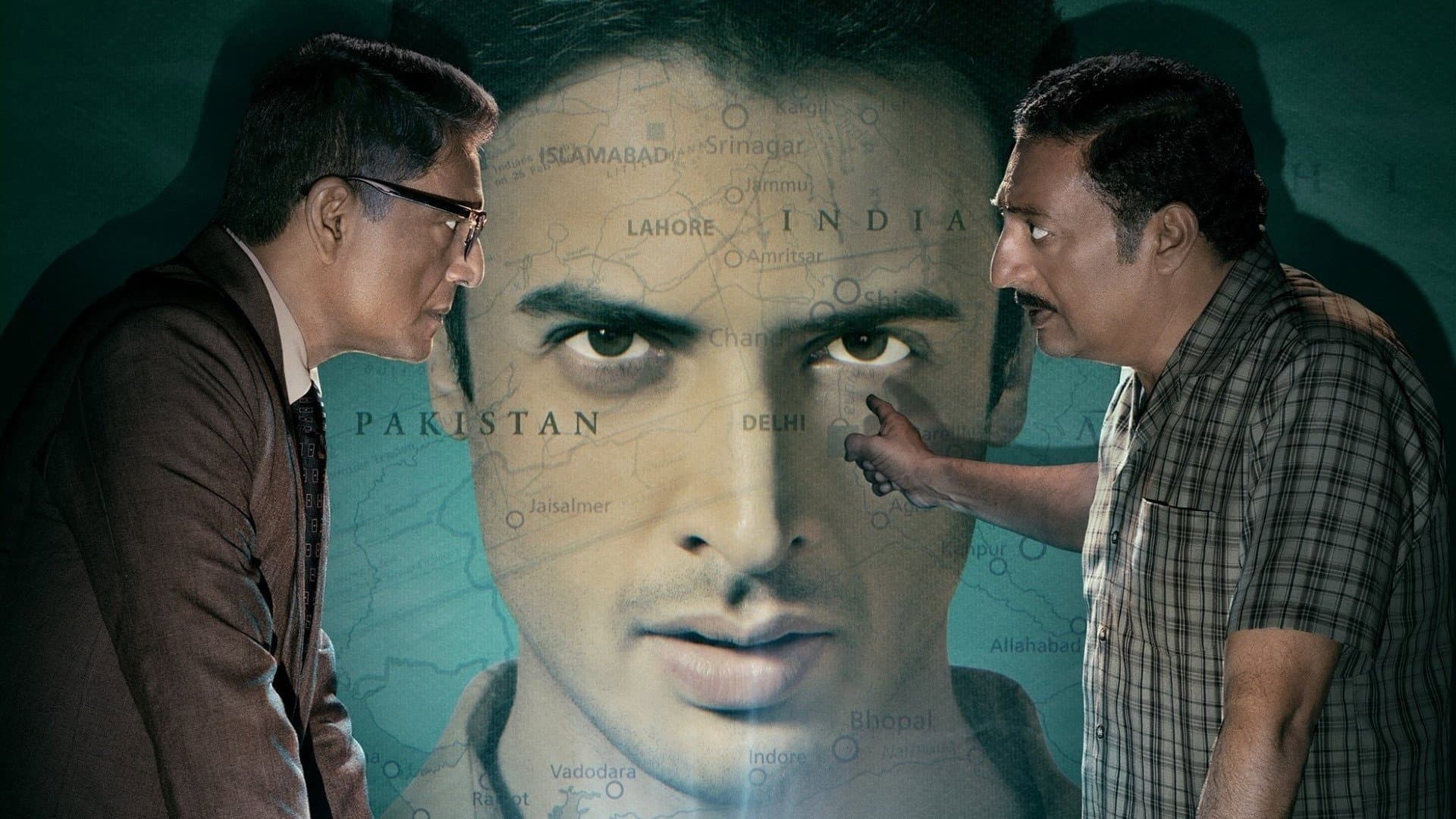
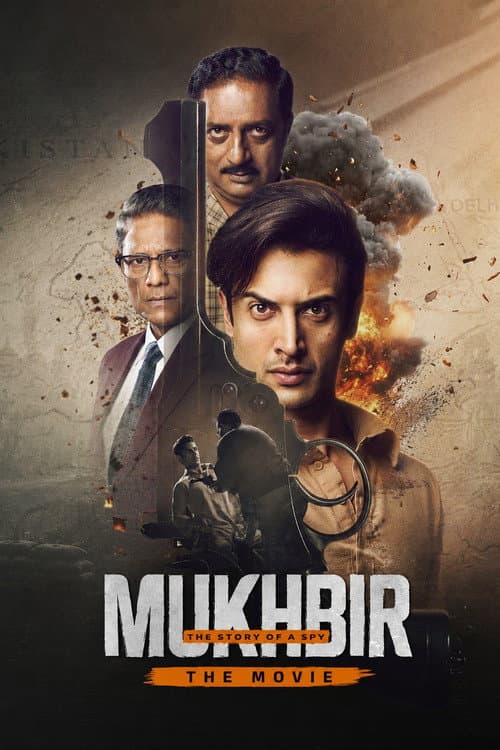
Set against the immediate, festering aftermath of the Sino-Indian war, the film drops us into a world where maps have shifted and loyalties are provisional. Prakash Raj, as the formidable S. K. S. Moorthy, delivers a masterclass in bureaucratic menace. His Moorthy is not a shouty villain; he’s the kind of man who rearranges papers on his desk while ordering a man’s destruction. Opposite him, Adil Hussain’s Ramkishore Negi provides the moral wobble - a senior official whose faith in the mission is as shaky as his faith in his own government. Watching these two titans circle each other in a Delhi office, you’d think the war was happening right there in the dust motes.
But the real heart of the picture beats in Pakistan, where Zain Khan Durrani plays a double role that feels less like a gimmick and more like a fracture. As the flamboyant Harfan Bukhari and the meticulously composed Kamran Bakhsh, Durrani is tasked with carrying the film’s central riddle: can a man perform a nationality so completely that he forgets which one is real? His transformation is not physical but psychological. In one sequence, he practices a laugh for ten seconds too long, and the audience feels the strain in their own throats. This is a spy who doesn’t just change clothes; he changes the temperature of his blood.
Nair, known for his taut, character-driven work, takes his time. At 150 minutes, Mukhbir is unapologetically patient. There are no drone strikes here, no slick car chases through Karachi bazaars. Instead, the tension comes from waiting - waiting for a radio signal, waiting for a contact to blink, waiting for Major General Agha Khan, played with reptilian calm by Harsh Chhaya, to decide whether his guest is a friend or a terminal inconvenience. Chhaya has rarely been this chilling; his major general delivers pleasantries like death sentences.
The women in this story are not ornaments. Barkha Bisht’s Begum Anar is a widow whose salon becomes a listening post, and she plays the role with weary intelligence, aware that her survival depends on pretending she knows less than she does. Zoya Afroz’s Jamila Ahmed, a young clerk, provides the film’s most heartbreaking thread - a true believer in a cause that turns out to be a lie. Their scenes with Durrani crackle with the unspoken, and Nair wisely lets the camera linger on their faces rather than their dialogue.
There’s a particular sequence, roughly an hour in, where Kamran is forced to prove his loyalty by memorizing a false biography under time pressure. The camera holds on Durrani’s eyes, which flicker like a faulty fluorescent bulb. It’s a quiet moment, but it does more to illustrate the cost of intelligence work than any explosion could. This is a film about the exhaustion of being watched, and Satyadeep Misra’s Alamgir, a shadowy handler, embodies that surveillance with unnerving stillness. Dilip Shankar’s Col. Zaidi adds a layer of military rigidity that threatens to crack under its own discipline.
Is it a perfect film? No. The pacing will frustrate those expecting a typical Bollywood masala spectacle. The mystery element, while elegantly plotted, relies heavily on facial expressions over exposition, and a few twists require a second viewing to fully appreciate. But that’s precisely the point. Mukhbir trusts its audience to do the math. The TMDb rating sits at a warm zero, which is a curious thing - it suggests a film that hasn’t yet been properly processed by the algorithm, or one that defies easy star-charting.
What matters is the aftertaste. Hours after the credits roll, you’ll find yourself thinking about the final shot - a mirror, a man, and the question of who is actually looking back. Shivam Nair has made a film about the horror of becoming your own disguise. In a genre crowded with heroes who punch their way to victory, Mukhbir: The Story of a Spy - The Movie offers something rarer: a spy who loses the war against himself. That’s not just a thriller. That’s a tragedy dressed in khaki. And for Hindi cinema, that’s a welcome kind of silence.