The past is a fragile currency, and in Pankaj Sawant’s haunting new Bollywood science-fiction drama, Simulacra, it is also the only thing worth fighting for. Released on July 17, the film has quietly become the season’s most provocative conversation starter, not for its spectacle, but for its aching, minimalist portrait of a love story reduced to data points. At its core is a devastating premise: what happens when the person you love most forgets everything, including you?
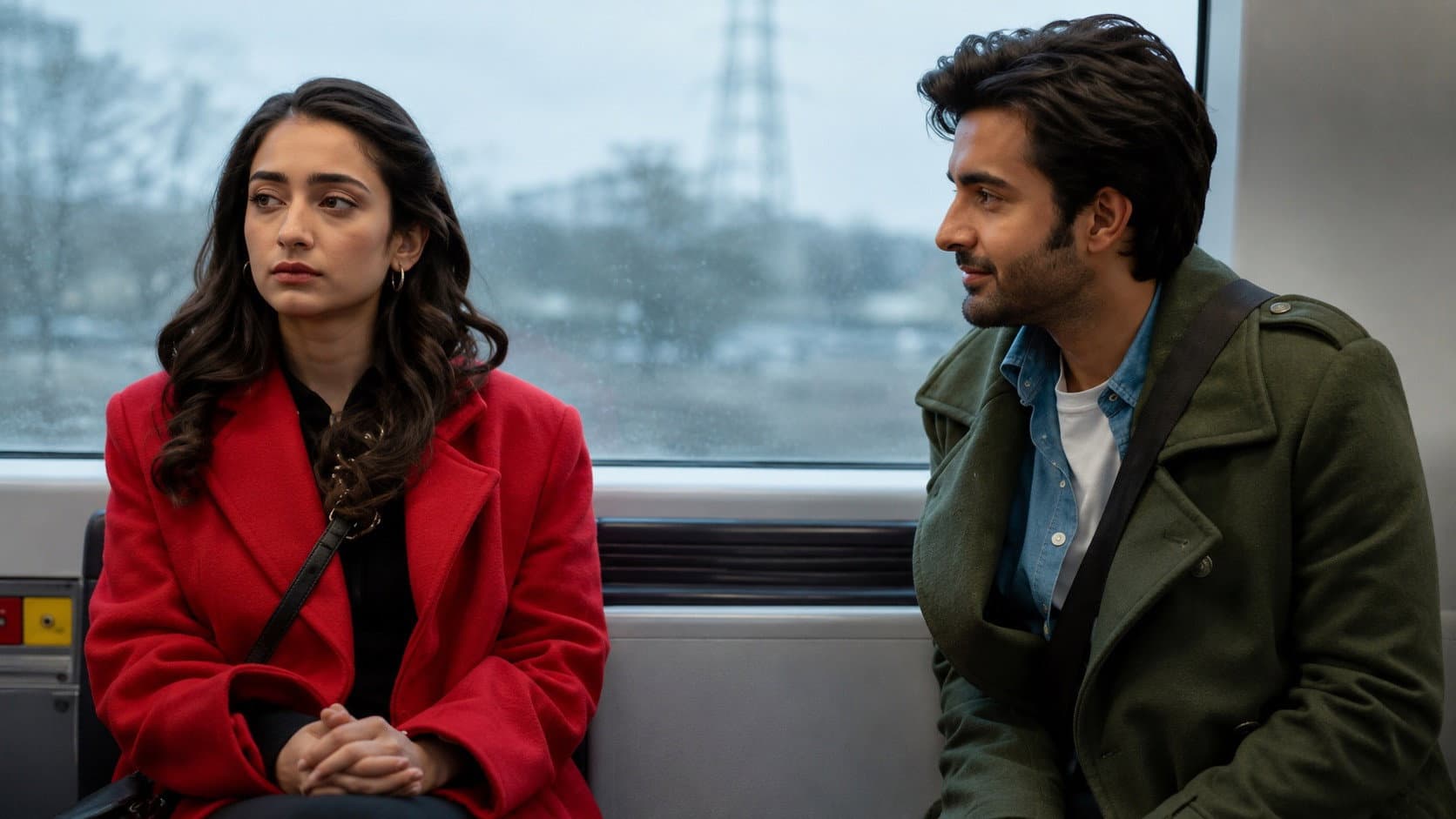
Akshara Haasan delivers a career-defining performance as Nivi, a woman whose mind has been "completely wiped blank" - a state that sounds like science fiction but feels terrifyingly like the cruelest form of dementia. She exists in a serene, white-walled present, unburdened by memory, but also unmoored from identity. Her partner, Nayan, played with raw, trembling intensity by Satyajeet Dubey, refuses to accept the erasure. He is not a scientist or a hacker; he is simply a man in love, desperately attempting to rebuild a shared history from the rubble of what was.
The film’s genius lies in its restraint. Sawant, working from a script that favors long, aching silences over expository dialogue, never explains the futuristic technology that caused Nivi’s condition. We are told only that her memory has been "wiped," and that is enough. The focus remains squarely on the couple, their interactions forming a delicate, tragic dance. Nayan brings Nivi photographs, plays her songs, recites her own old diary entries back to her. Each time, he watches her face for a flicker of recognition - a micro-expression that might suggest the woman he loved is still in there, trapped behind the blankness. Haasan’s performance is a masterclass in emotional ambiguity; she reacts to these artifacts with polite curiosity, sometimes a hint of sadness, but never the spark Nayan so desperately seeks. The audience is left to wonder, alongside him, whether she is merely a simulacrum of the original Nivi - a perfect copy of a face and body, but with the soul of a stranger.
The supporting cast enriches this lonely world. Rajdeep Choudhury as Rajneesh, Nayan’s pragmatic friend, serves as the voice of reason, warning him that he is chasing a ghost. "You are not remembering her," he tells Nayan in one crucial scene. "You are only reminding yourself." Anisa Butt as Jessica and Bhavini Sheth as Manasa add layers of social friction, representing the outside world that has moved on, while Nayan remains frozen in a state of grief for a person who is still breathing. Gandhar Babre and Lena Bejan round out the ensemble with brief but affecting appearances, each character a reminder of the dense web of connections that Nivi has lost.
What elevates Simulacra beyond a standard tragedy is its philosophical core. It asks uncomfortable questions about what constitutes a person. Is Nivi still Nivi if she has no recollection of her childhood, her ambitions, or the first time she fell in love with Nayan? Or is she a new person inhabiting an old shell? The film wisely refuses to give easy answers. Instead, it wallows in the ambiguity, finding beauty in the pain. A recurring motif of mirrors and reflective surfaces underscores the theme: Nayan looks at Nivi and sees his beloved; Nivi looks at herself and sees only a stranger.
At 121 minutes, the film is taut and never overstays its welcome, though the pacing is deliberately slow. It is a meditative piece, closer in tone to a stage play than a conventional blockbuster. A haunting background score - sparse piano lines and ambient hums - amplifies the sense of loss, while cinematographer Sawant (also directing) frames his actors in tight close-ups, capturing every flicker of doubt and hope. In one unforgettable sequence, Nayan desperately records new memories with Nivi - a trip to a crowded market, a shared meal - hoping to create fresh imprints that might bypass the damage. But the film’s tragedy is that she enjoys these moments as novelties, not as continuations of a shared story.
For Hindi Movie Buzz readers, Simulacra represents a bold step for Bollywood’s genre cinema. It is not a film about tech; it is a film about the human heart’s refusal to let go. Dubey’s Nayan is no action hero; his heroism is his stubbornness, his willingness to be hurt repeatedly in the name of love. And Haasan, utterly magnetic in her blankness, makes us feel the tragedy of her condition more acutely than any monologue could.
There are no villains here, no easy fixes, and - go in knowing this - no tidy, conventional Bollywood resolution. The ending has left audiences divided; some have walked out in frustration, while others have sat in hushed, tearful silence. But that discomfort is precisely the point. Simulacra stays with you long after the credits roll, a quiet, aching reminder that love is not just about the present moment, but about the shared weight of yesterday. When that weight is stolen, are we left with anything at all? Sawant’s film suggests we are left with the choice to keep trying. And perhaps, in that endless trying, there is a love more profound than memory itself.