
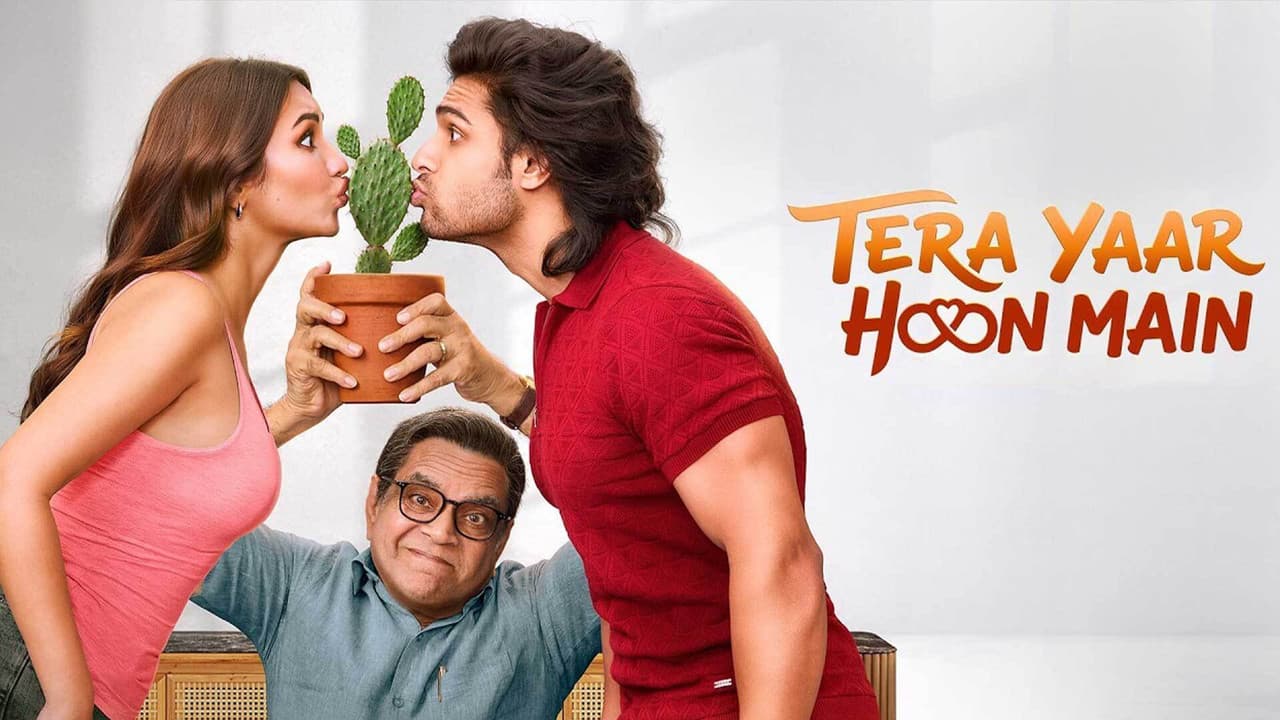
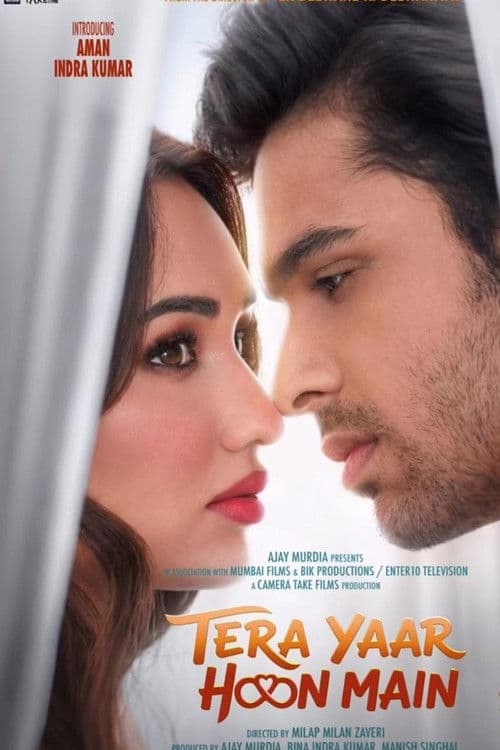
The moment Sanju steps off the train at Mumbai’s Chhatrapati Shivaji Terminus, suitcase in hand and hope in his heart, you know exactly the kind of film you’re in for. It’s a familiar tableau - the wide-eyed small-town boy arriving in the big, indifferent city - but director Milap Zaveri’s Tera Yaar Hoon Main isn’t content to simply replay that greatest hits medley. Instead, it takes a warm, familiar premise and twists it into something that feels both classic and surprisingly fresh, anchored by a quartet of performances that elevate the material beyond its logline.
The setup is deceptively simple. Sanju (Aman Kumar, in a breakout star turn) leaves Nagpur for a white-collar job in Mumbai, and by a stroke of fate - or, more accurately, his late mother’s old friendship - he lands in the sprawling, chaotic home of Viswanath (Paresh Rawal). Viswanath is a widower of sorts, a gruff-but-golden-hearted patriarch who runs his household like a benevolent dictator, with his daughter Anu (Aakansha Sharma) as the apple of his eye. It doesn’t take a Bollywood scholar to see where this is heading. Sanju and Anu meet-cute over a spilled cup of chai, exchange loaded glances over the dinner table, and begin the slow, inevitable dance of falling in love.
But here’s where Zaveri, who also co-wrote the screenplay, throws a wrench into the works. When Anu’s marriage is arranged to a well-settled NRI - a perfectly respectable, decent man - the film transforms from a sunny romantic comedy into a more agonising moral drama. Viswanath, gloriously realised by Rawal, becomes the film’s true centre. He adores Sanju like a son, having practically adopted the boy, but he is also a father who wants the safest, most secure future for his daughter. Caught between the loyalty of friendship (to Sanju’s departed mother) and the primal duty of fatherhood, he becomes a man paralysed by a choice that has no clean answer.
It’s a bravura tightrope walk for Rawal, who shifts effortlessly from booming comic interludes to devastating, whisper-quiet vulnerability. In one scene, he’s barking orders at the household staff and joking with his cronies; in the next, he’s sitting alone on a balcony, the Mumbai skyline blurring behind him, contemplating the cost of doing the “right” thing. The veteran actor has always been a master of the everyman, but here he taps into something deeper - a sorrow that comes from knowing that loving someone sometimes means hurting them. His performance alone justifies the 144-minute runtime, giving the film’s emotional core a weight that could have easily felt contrived.
Kumar, meanwhile, proves he’s more than just a handsome face with good comic timing. His Sanju is neither a wallflower nor a macho hero; he’s a decent, slightly bumbling guy who deeply respects Viswanath, which makes his predicament all the more painful. He never turns the arranged marriage subplot into a villain-versus-hero showdown, which would have been easy. Instead, he plays Sanju’s helplessness with a quiet sincerity. When he finally confronts Viswanath in a rain-soaked climax, it’s less a shouting match and more a plea for understanding - a conversation between two men who genuinely love each other but are being torn apart by circumstance.
Sharma’s Anu is the film’s beating heart, and she handles the tricky range of emotions - initial shyness, blossoming affection, dutiful resignation - with a natural grace. She’s not a passive prize to be won. Her arc is quietly radical: she makes a choice, and the film respects it even as the narrative desperately wants her to choose otherwise. The supporting cast, too, is a delight. Johny Lever, as Viswanath’s lecherous-but-loyal sidekick, delivers his usual brand of physical comedy with precision, while Supriya Pilgaonkar and Mrinal Kulkarni add gravitas as the family elders who offer conflicting advice. Neha Khan as Anu’s best friend provides the necessary sanity in the chaos, and Pooja Katurde has a brief but memorable turn that hints at a promising future.
Zaveri, known for his masala-infused actioners, shows a deft hand with the quieter moments here. Yes, there’s an obligatory fight scene and a comedic chase sequence - the film is billed as an action-comedy, after all - but they feel organically woven into the narrative, not shoehorned in for trailer fodder. The music, a mix of peppy chartbusters and soulful ballads, complements the shifting moods without overwhelming them.
Is Tera Yaar Hoon Main a perfect film? No. The middle act drags slightly, repeating its central dilemma in a few too many scenes. And some may find the resolution - which I won’t spoil - a little too neat, a little too Bollywood. But in an era of increasingly cynical, franchise-driven cinema, there’s something refreshingly earnest about a film that wears its heart on its sleeve with this much conviction. It’s a story about friendship in its truest, most complicated form - the kind that demands sacrifice but also promises redemption.
As the credits rolled, the person next to me was dabbing her eyes, and honestly, so was I. Tera Yaar Hoon Main isn’t just a film about a love triangle. It’s a film about the messy, beautiful, heartbreaking ways we choose to show up for the people we care about. And that, my friends, is a story worth telling.