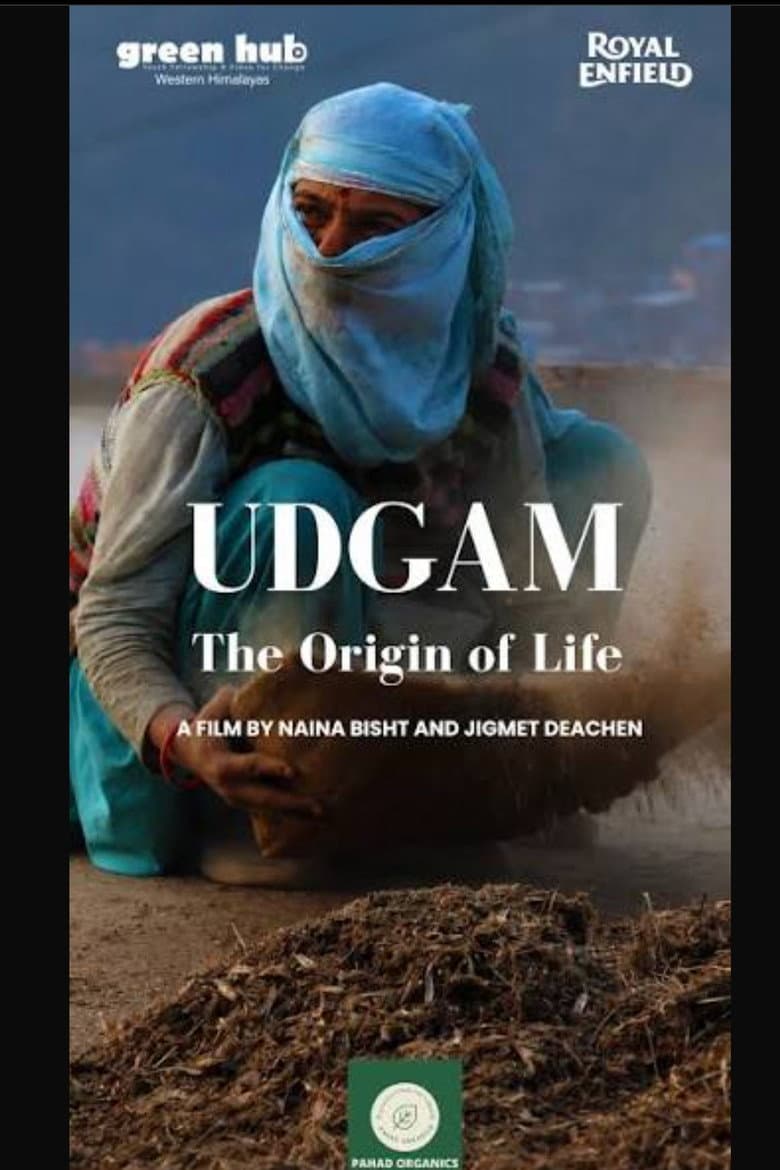
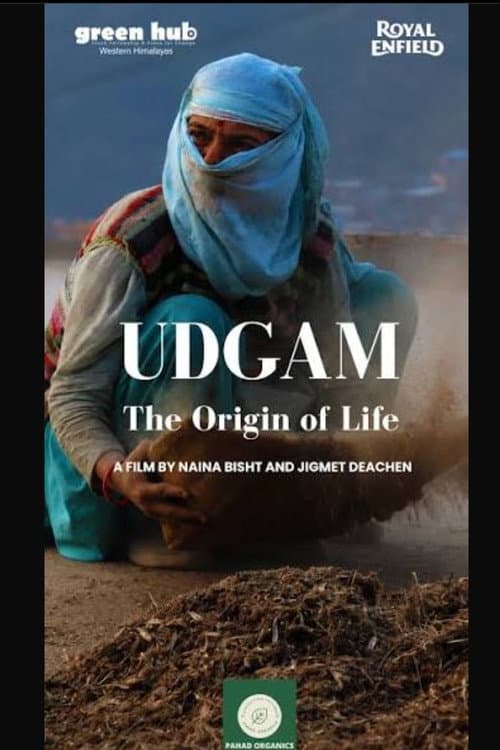
The first thing that strikes you about “Udgam: The Origin of Life” is how modest it looks on paper. Thirteen minutes. A documentary. A first-time feature director shooting in the hills of Chamba. No stars, no soundtrack hype, no festival launchpad announced yet. And yet, in a year when Hindi cinema has been louder and more anxious than ever, this small film arrives carrying an idea that feels disproportionately large: that the future of our food may be sleeping quietly in a farmer’s clay pot.
Set to release in theatres on October 29, 2026, the film is directed by Naina Bisht and produced within the Bollywood documentary space. Its premise is deceptively simple. We follow Rena, a community worker, and the farmers of Chamba as they preserve indigenous seeds and the traditional farming knowledge that goes with them, all while the land around them changes faster than the people can adapt. Erratic rainfall, drying water sources, the slow creep of commercial agriculture, and the quiet pressure to abandon old seeds for newer, more marketable ones. These are not abstractions in the film. They are daily negotiations.
What makes “Udgam” interesting is the way it reframes a rural story as a portrait of a whole nation’s anxiety, without ever leaving the hills. “Udgam” means origin, and the film’s title is a promise it seems to keep: it looks backwards to move forwards. Seed conservation, in this telling, is not nostalgia. It is strategy.
Release Date & Where to Watch
“Udgam: The Origin of Life” opens in Indian theatres on Thursday, October 29, 2026, timed to the Hindi release window that week. At a runtime of just 13 minutes, it is being positioned as a short-format theatrical documentary, which is unusual for the Bollywood mainstream but increasingly viable for films that want a big-screen moment without a big-screen commitment. Expect limited screens in metro multiplexes on opening weekend, with the possibility of a wider rollout if word of mouth builds. Streaming details have not been announced, and there is no confirmed OTT partner at this time. If you want to see it early, the theatrical window is the one to watch. Given the film’s length, several exhibitors may pair it with curated short-film showcases or evening slots rather than standard programming, so checking local listings in advance is advised.
Cast & Crew
The cast is uncredited in the official metadata, and that feels deliberate. “Udgam: The Origin of Life” belongs to the people of Chamba rather than to a marquee name, and the film’s emotional weight rests on real farmers and community members rather than trained performers. Rena, the community worker at the centre of the narrative, anchors the film as a guide through fields, seed banks and conversations that feel unscripted.
The director is Naina Bisht, a name that will be new to most Hindi film audiences outside documentary circles. The film is presented within the Bollywood industry framework, shot in Hindi, with a tight 13-minute structure that suggests a filmmaker more interested in precision than padding. For a debut, that restraint is worth noting. It takes confidence to tell a story about biodiversity and climate resilience in the time it takes to drink a cup of chai.
Story & What to Expect
The official synopsis places us in Chamba, where Rena and local farmers work to preserve indigenous seeds and traditional farming knowledge amid shifting agricultural practices, water scarcity and uncertain rainfall. Their efforts reveal how seed conservation can protect biodiversity and support climate-resilient livelihoods.
What to expect, then, is not a lecture. The best short documentaries on agriculture tend to work through texture: the sound of grain being sifted, the look of hands sorting seeds, the way a farmer explains why one variety survives a dry spell and another does not. If Bisht leans into that, “Udgam” could be quietly devastating. The film’s music, narration style and on-ground access remain under wraps, so audiences should go in without expecting a grand, sweeping environmental epic. This is a close-up, not a panorama.
The timing is pointed. In 2026, discussions about food security, groundwater depletion and climate adaptation are no longer abstract policy debates; they are kitchen-table conversations. A Hindi documentary that brings those conversations into a multiplex, in 13 crisp minutes, is doing something that a two-hour lecture film rarely can. It leaves you with an image rather than an argument.
What the film likely avoids is the trap of romanticising rural life. The synopsis does not promise a paradise lost; it promises uncertainty, effort and adaptive labour. That is a more honest frame, and a more compelling one.
Why It's Worth Watching
Because “Udgam” is asking a question most Hindi films are not: who keeps the seed, and why does it matter? Seed conservation is one of the least glamorous forms of climate action imaginable, and yet it may be one of the most consequential. The film connects that work to biodiversity and to livelihoods that can withstand erratic weather, which makes it as much an economic story as an ecological one.
Because Naina Bisht has chosen a difficult, disciplined format. A 13-minute documentary in the Bollywood ecosystem is a statement of intent, and supporting it in theatres sends a signal that short-form non-fiction deserves screens.
Because there are no stars to distract you. The film has to earn your attention through place, people and purpose, and the early indications suggest it knows exactly how to do that.
And because “Udgam” is arriving at the right moment. On October 29, as the country moves deeper into another unpredictable agricultural year, a film about origins feels less like a history lesson and more like a survival manual. Watch it for the farmers of Chamba. Watch it for the seeds. Watch it because, at 13 minutes, there is really no reason not to.