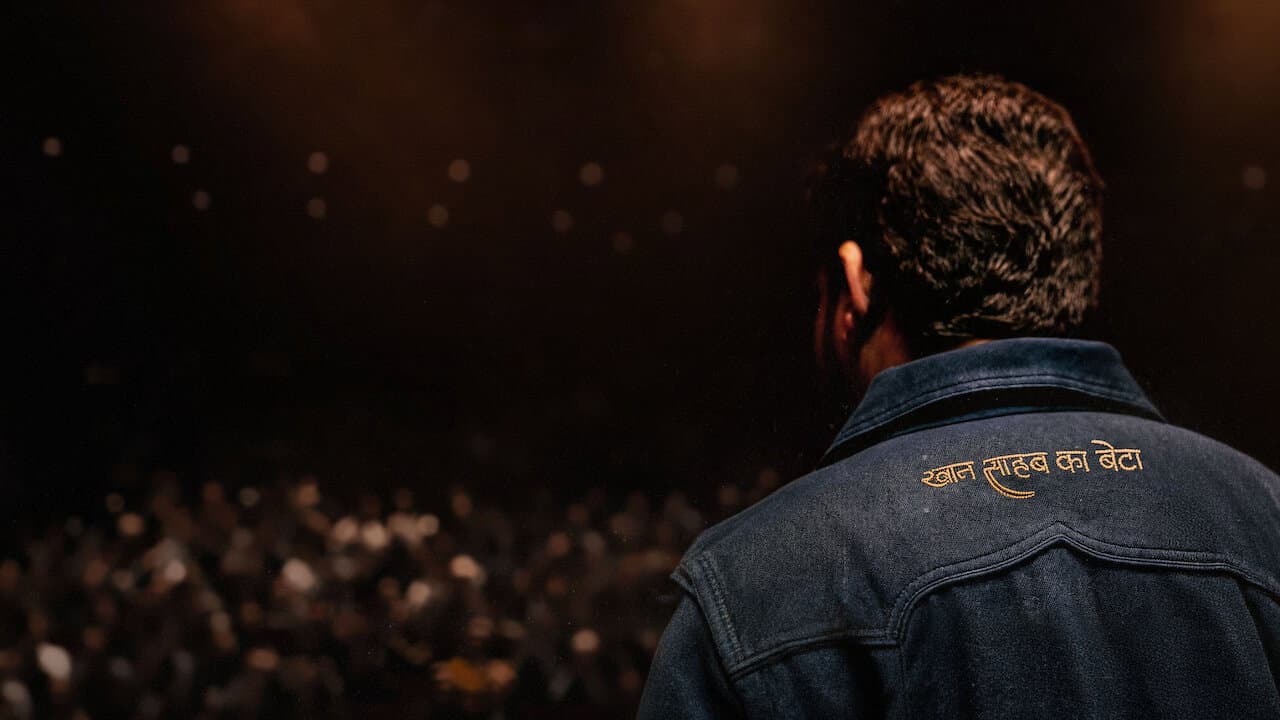
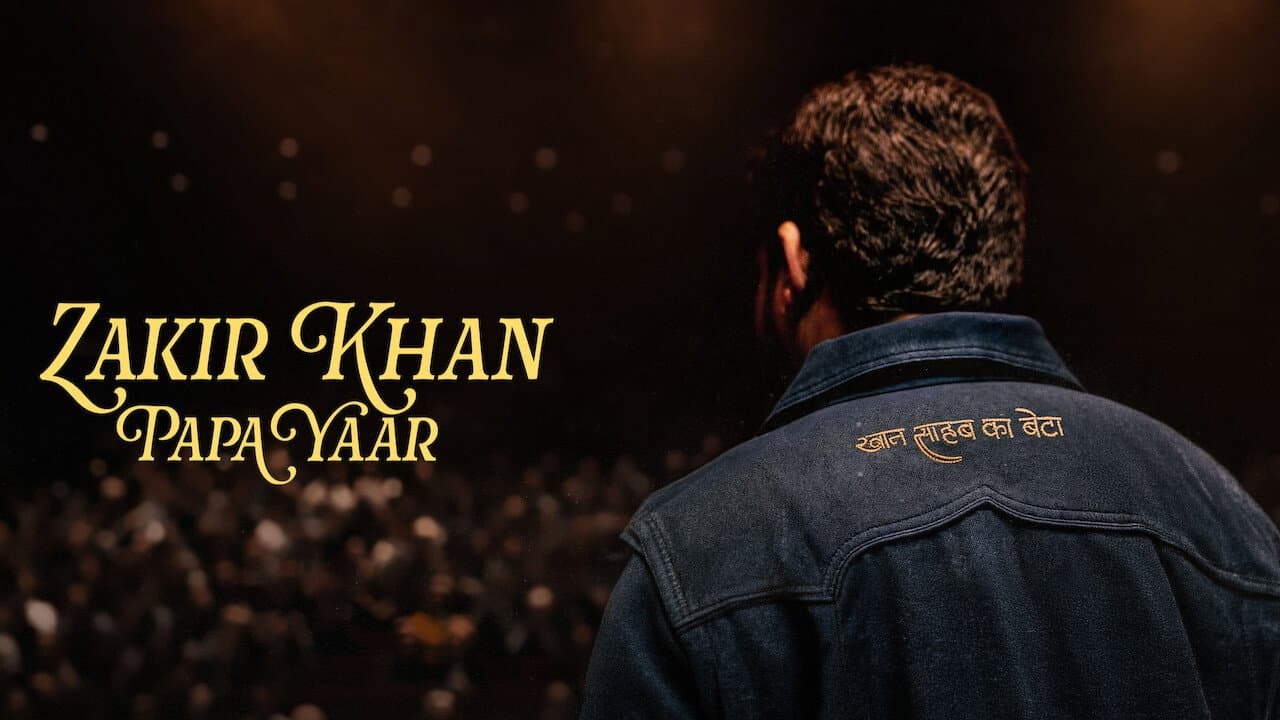
There is a moment in every Zakir Khan special where the laughter stops being polite and starts being personal. You can feel it in the room - a collective intake of breath before a punchline lands somewhere soft, somewhere close to home. His latest outing for the streaming era, Zakir Khan: Papa Yaar, which arrived on September 18, 2026, is built almost entirely from that tender territory. Clocking in at a brisk 78 minutes and directed by Karan Asnani, this is less a stand-up set than a scrapbook held up to the light, its pages written in observational humour, poetry and the kind of emotional storytelling that has become Khan's calling card.
The premise is deceptively simple. Khan, credited here simply as "Self," turns his gaze backward - to his childhood, to the family living room, to the silences that passed for conversation between a father and a son. The film's official synopsis puts it plainly: he reflects on the special bond he shares with his father, turning personal memories and family experiences into heartfelt comedy, and in doing so explores the unspoken sides of fatherhood. That word - unspoken - does a lot of heavy lifting across the runtime.
For anyone who has followed Khan's trajectory from the cramped poetry circuits to the arena-filling storyteller he is today, this register will feel familiar. He has always been a comedian who mines the domestic for material, treating relatives not as caricatures but as fully drawn characters with their own contradictions. What Papa Yaar does differently is narrow the frame. Where earlier specials cast a wide net over friendships, heartbreak and the indignities of growing up middle-class, this one stays fixed on a single relationship, circling it from different angles until it starts to reveal its hidden geometry.
The comedy, when it comes, is of the observational variety Khan has perfected - the specific absurdity of Indian fathers, their rituals, their wordless ways of showing love. But it is the poetry that gives the hour its spine. Khan has never been shy about slipping into verse, and here the poems function as breathers, moments where the audience stops laughing long enough to feel the weight of what is being described. It is a canny structural choice, one that Asnani's direction supports by keeping the staging intimate rather than grand.
A runtime of 78 minutes is unusually lean for the format. There is no padding, no victory lap. The film ends when it has said what it came to say, which in an era of bloated comedy specials feels almost radical. Whether that brevity leaves audiences wanting more or satisfied is a matter of temperament, but it is hard to argue that the material is stretched thin. Every anecdote seems to be doing work.
What lingers, though, is the emotional architecture underneath the jokes. Father-son stories in popular Hindi entertainment have often veered toward either saccharine reconciliation or Oedipal conflict. Papa Yaar sidesteps both. It is interested in the quieter register - the meals eaten in silence, the advice dispensed sideways, the love that never announces itself. Khan is smart enough not to resolve these tensions too neatly. The result is a portrait that feels earned rather than performed.
The numbers, for what they are worth, tell their own story. A perfect 10 out of 10 rating may look like the stuff of fan campaigns, but it also reflects something real: the way this material lands with viewers who recognise their own fathers in it. This is a Hindi-language film made firmly within the Bollywood ecosystem, but its emotional register is universal enough to travel.
Is Zakir Khan: Papa Yaar groundbreaking? Not in any formal sense. It does not reinvent the stand-up special or push the medium into new territory. What it does is refine a voice that has been sharpening for years, applying it to the most personal subject Khan has yet tackled. Asnani keeps things clean and unobtrusive, letting the performer carry the weight. And Khan, for his part, carries it with the easy authority of someone who has stopped trying to prove anything.
In the end, the film works because it resists the urge to explain itself. Fathers, Khan seems to suggest, are not puzzles to be solved. They are people to be noticed, preferably before it is too late. It is a modest thesis, delivered with wit and warmth, and it earns every one of those 78 minutes.