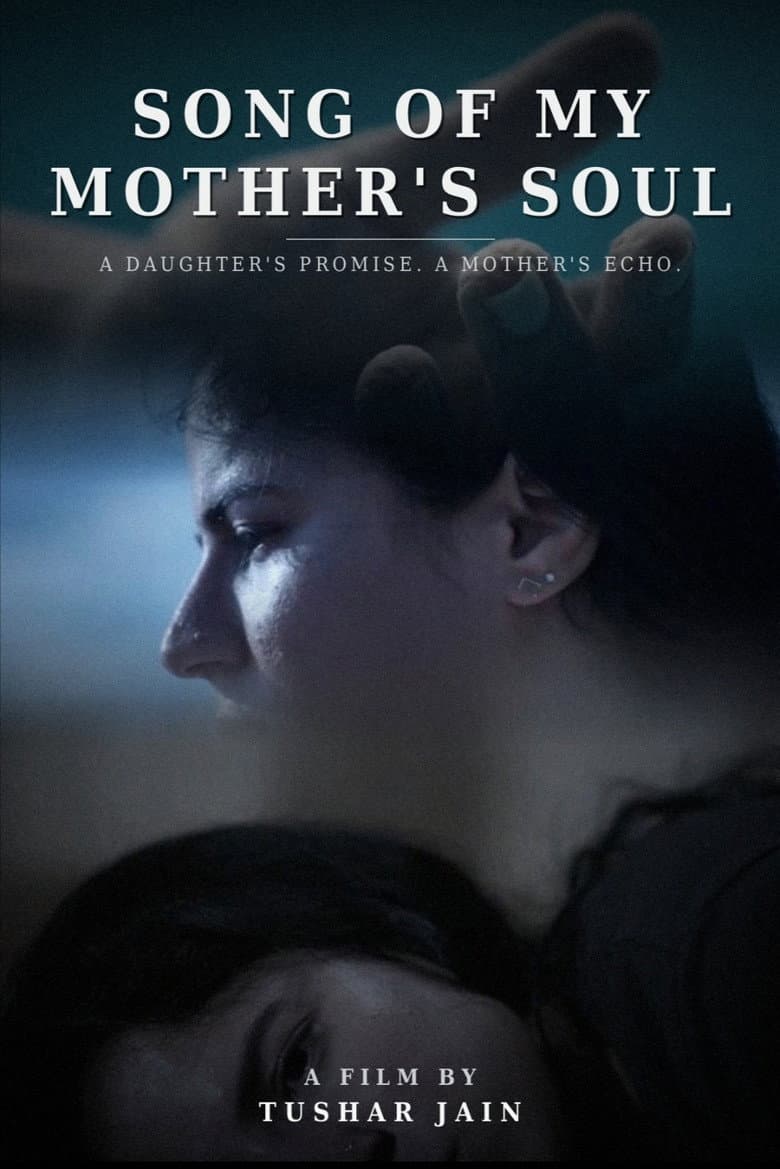
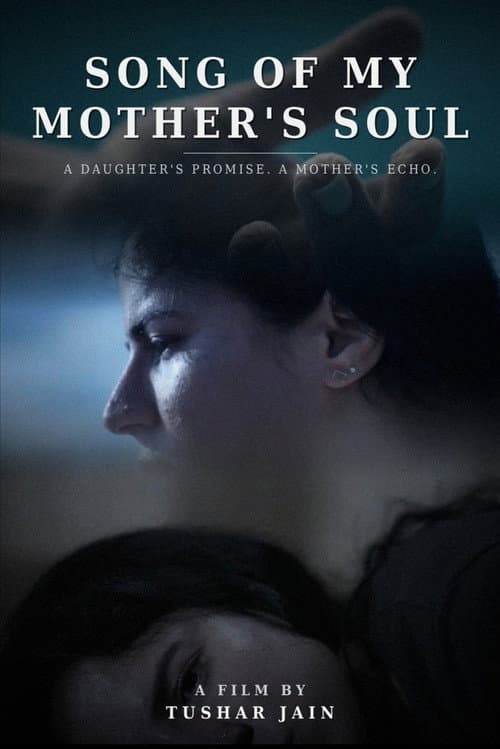
There is a particular kind of silence that settles between a parent and a child who have spent years loving each other without quite knowing how to say it. Tushar Jain's new short film, Song of My Mother's Soul, walks straight into that silence and asks what happens when it is the only thing left. Clocking in at just twenty minutes, this Hindi-language drama arrives in theatres this week carrying the quiet weight of a much larger story.
The film centres on Dina, a sound recordist, and her mother, a classical singer whose voice once filled rooms and now barely carries. Their relationship has thinned over the years - not through any single fracture, but through the slow erosion of unspoken grievances and widening distance. When her mother's health begins to fail, Dina does the only thing her craft has taught her: she turns on her recorder. What follows is an attempt to capture a presence before it slips away, and a reckoning with everything that was never said out loud.
Release Date & Where to Watch
Song of My Mother's Soul releases in cinemas on September 26, 2026 - a Saturday slot that suggests a limited theatrical run with an eye on festival circuits and word-of-mouth rather than a wide multiplex rollout. Given its twenty-minute runtime, expect to find it programmed alongside short film showcases, curated independent screenings, and, in all likelihood, a streaming home shortly after its theatrical window closes. Audiences in major metros with a taste for arthouse and parallel cinema should keep an eye on their local listings; this is the kind of film that tends to appear quietly and disappear quickly.
Cast & Crew
Details on the cast remain under wraps, with the production holding its ensemble close to the chest - an unusual but not unheard-of strategy for a short film aiming to let the story speak before the names do. What we do know is that the project is directed by Tushar Jain, a filmmaker whose sensibilities lean toward the intimate and the sensory. The premise itself suggests a director attuned to the textures of sound and memory, and the choice to build a narrative around a sound recordist rather than, say, a writer or a painter, feels deliberate. This is a film about what we hear, what we remember hearing, and what we fail to hear until it is too late.
Story & What to Expect
The logline tells us Dina and her mother share a bond shaped by unspoken emotions - a phrase that could describe half the families in any given city, which is precisely the point. Jain appears less interested in grand melodrama than in the small, devastating details: the way a daughter learns to listen differently when her mother's voice starts to weaken, the way a recording device becomes both a tool of preservation and a shield against grief.
Dina's profession is the film's smartest conceit. A sound recordist is trained to capture what others overlook - the ambient hum, the breath before a note, the pause that says more than a sentence. When her mother, a classical singer, begins to fade, Dina's instinct is to archive rather than confront. She can preserve the sound of her mother's voice, but she cannot preserve the woman herself, and the gap between those two things is where the film's emotional tension lives.
Expect a deliberately paced twenty minutes, closer to a chamber piece than a conventional narrative short. The classical music tradition referenced in the mother's character will likely inform the film's sonic palette, and given the themes, the sound design should be as much a character as either woman. This is not a film that will explain itself twice. It will ask you to lean in.
Why It's Worth Watching
Short films rarely get this kind of thematic ambition. Song of My Mother's Soul is tackling grief, memory, artistic legacy, and the specific ache of a mother-daughter relationship that never quite found its language - all in the time it takes to drink a cup of tea. That restraint is a feature, not a limitation.
The film also arrives at a moment when Hindi cinema is increasingly making room for smaller, more personal stories alongside its spectacle-driven tentpoles. A twenty-minute meditation on sound and loss, directed by an emerging voice like Tushar Jain, fits squarely into that shift. And for anyone who has ever watched a parent age and found themselves reaching for a phone, a camera, or a recorder in a desperate attempt to hold on - this one will land close to home.
It is worth noting that the film currently carries no audience rating, meaning early viewers will be shaping the conversation from the ground up. Sometimes that is the best way to discover a film: before the discourse gets there first.
Mark the date. Bring tissues. And listen closely.