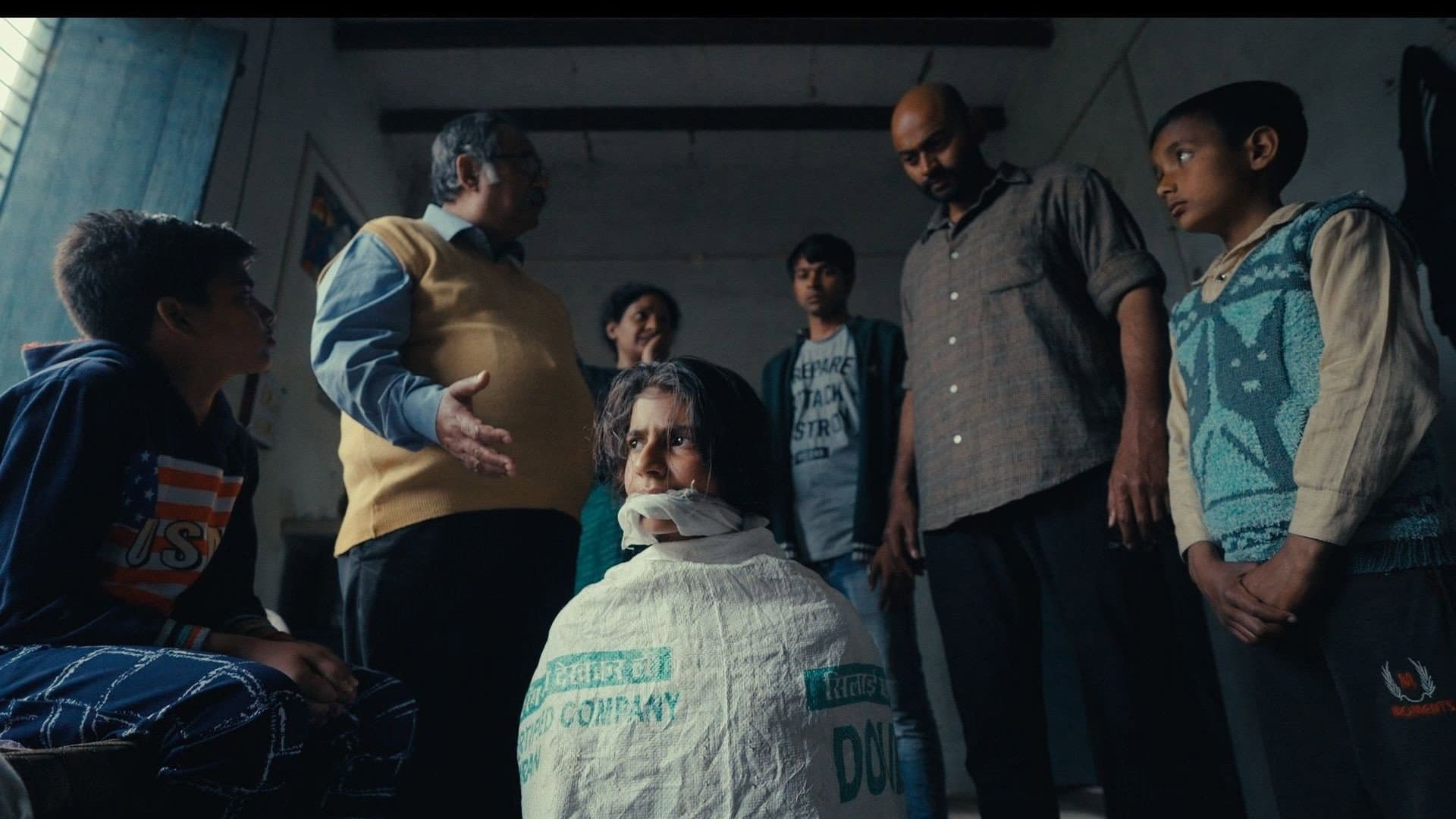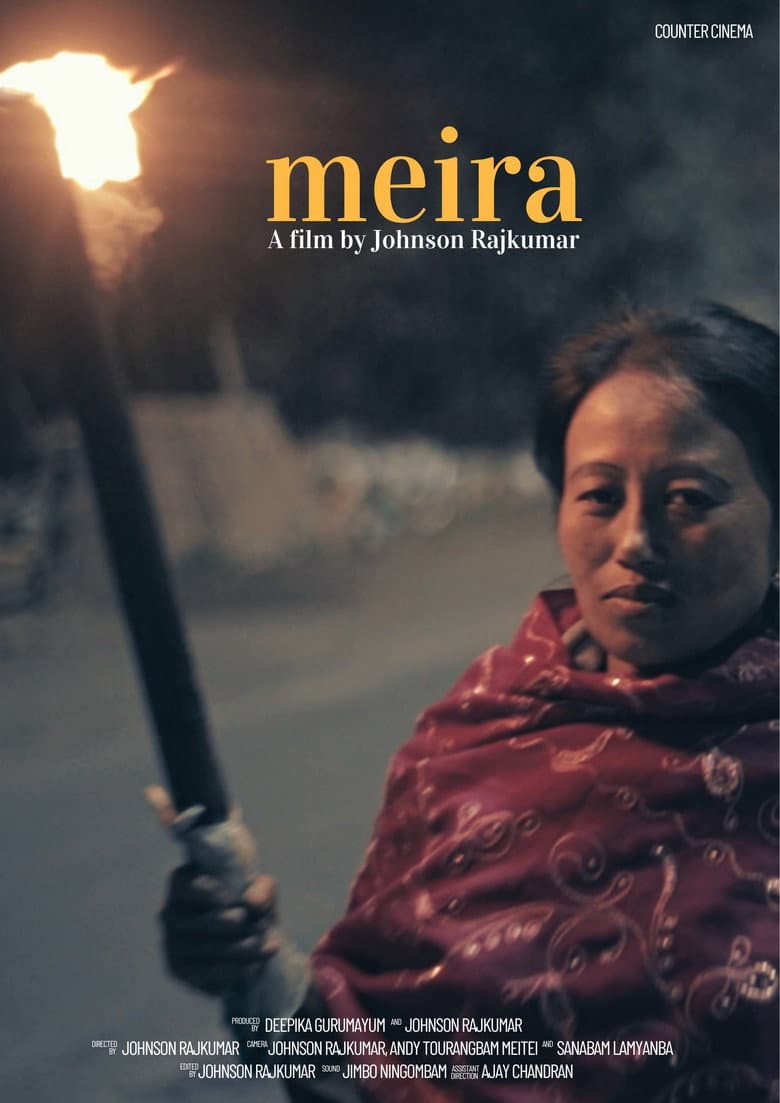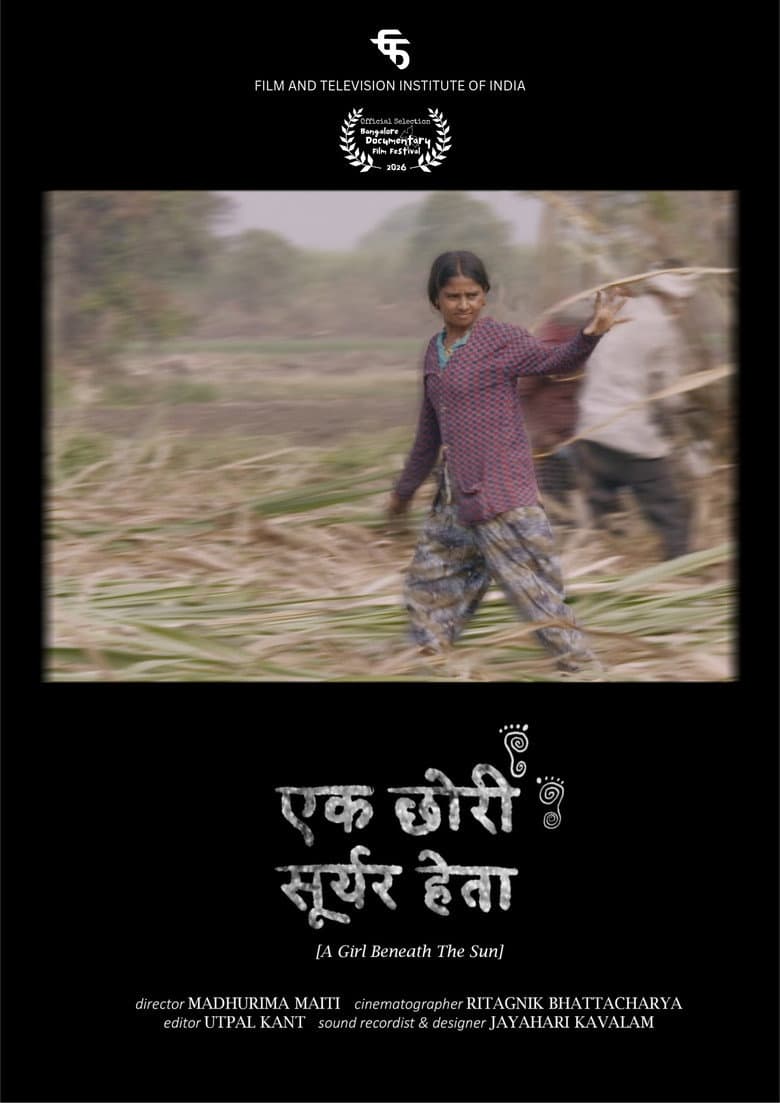
There is a particular kind of silence that hangs over the sugarcane fields at dawn, the kind that hides entire lifetimes of labour, love and quiet rebellion. It is in this hush that first-time director Madhurima Maiti plants her camera for "The Girl Beneath The Sun," a documentary that arrives with almost no fanfare but promises to linger long after its brief runtime ends. Clocking in at just twenty minutes, this Hindi-language film from Bollywood is not interested in spectacle. It is interested in Shivkanya, a teenage girl who spends her days cutting cane and her nights negotiating a life that was decided for her long before she could object.
The film has been making quiet ripples on the festival circuit, and for good reason. Maiti, a filmmaker with a background in ethnographic short-form work, trains her lens on the intersection of adolescence and obligation, two forces that collide violently in rural India. The premise is deceptively simple: a girl, a harvest, a marriage. But the documentary refuses to reduce Shivkanya to a statistic. Instead, it observes her as she navigates the surreal terrain of early motherhood while still technically a child herself, married to a man the synopsis describes as eccentric, a term that could mean anything from charmingly odd to deeply unsettling. The film does not clarify, and that ambiguity is precisely the point.
Release Date & Where to Watch
Mark your calendars for November 6, 2026. "The Girl Beneath The Sun" will release in select theatres across major Indian cities before transitioning to a streaming platform, though the specific partner has not yet been announced. Given its documentary format and twenty-minute runtime, expect a limited theatrical run followed by a swift move to digital. This is the kind of film that benefits from a big screen, the better to absorb the brutal beauty of Maiti's compositions, but its intimate scope will translate just as well to home viewing. Keep an eye on the usual documentary-friendly platforms. If past Hindi documentaries of similar scale are any indication, it will likely land on one of the major OTT services within a month of its theatrical debut.
Cast & Crew
The cast remains unknown, and in a documentary of this nature, that is not a mark against it. Shivkanya is not a character played by an actor; she is a real teenager whose life has been lent to the camera with extraordinary trust. The film's authenticity rests entirely on her willingness to be seen, and early buzz suggests her presence is magnetic in its unguarded honesty. Maiti directs, and her background in observational documentary is evident in the film's refusal to impose a narrative arc where none naturally exists. The crew is small, the equipment likely minimal, and the result is a film that feels less like a production and more like a whispered confidence. There is no TMDb rating to speak of yet, sitting at 0/10 simply because the film has not been widely reviewed, a reminder that we are walking into this one blind.
Story & What to Expect
Shivkanya's world is defined by the harvest. The sugarcane fields stretch endlessly, a green and gold prison that demands her youth as payment. But the film complicates this image. Yes, she is a labourer. Yes, she is a wife. Yes, she is a mother, or is becoming one, in a body that has not finished growing. But Maiti does not frame her as a passive victim. The synopsis speaks of dreams, identity and hope, specifically hope for her child and herself, and that is where the documentary finds its pulse. Expect long takes of Shivkanya's hands, rough from cutting, gentle with her baby. Expect interviews that feel more like conversations overheard through a thin wall. Expect the eccentric husband to be a presence rather than a fully explained character, because the film's concern is not his psychology but the space he occupies in Shivkanya's life. At twenty minutes, there is no room for filler. Every frame must earn its place, and Maiti has reportedly built the film around a handful of incandescent moments rather than a comprehensive biography. This is a portrait, not a case study.
What to expect, then, is discomfort and tenderness in equal measure. The film will not offer solutions. It will not tell you how to fix the system that placed Shivkanya in this position. It will simply show you her face, her work, her child, and ask you to sit with it. That is the documentary's contract. It is also its power.
Why It's Worth Watching
Because twenty minutes is all it takes to change how you see a sugarcane field. Because Madhurima Maiti is a director worth watching, and this is her opening statement. Because Shivkanya's story, while specific to one girl in one corner of India, echoes across every community where girls become mothers before they become adults. Because the film is a Hindi-language Bollywood documentary, a category so small and underfunded that every new entry feels like a small act of defiance. And because, in a release calendar crowded with sequels and spectacles, a quiet, twenty-minute film about a teenage harvester is exactly the kind of counter-programming that restores your faith in what cinema can do. If the festival whispers are to be believed, Shivkanya's face will stay with you for weeks.