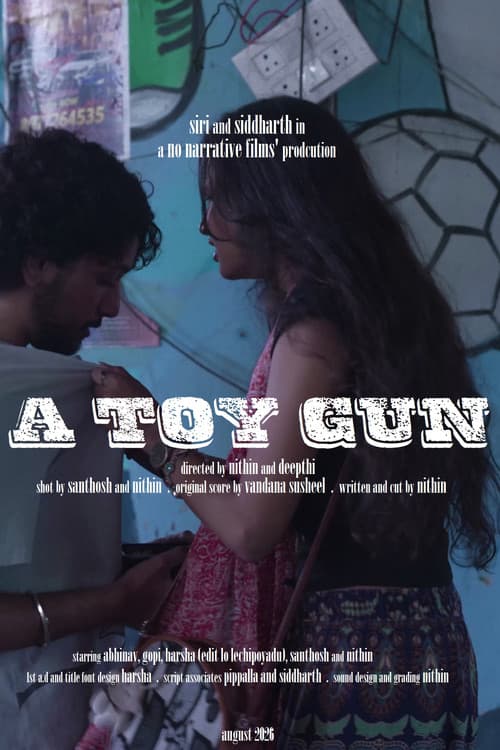
There is a moment in every tense thriller where the audience expects the stakes to escalate through firepower. In Y. Nithin’s new short film, A Toy Gun, the escalation comes from something far more fragile: a piece of plastic and the sheer unpredictability of a stationery shop employee. Released on August 21, this fifteen-minute Hindi crime comedy does not waste a single frame on setup, thrusting viewers directly into a classist nightmare where the weapon is a joke and the threat is terrifyingly real.
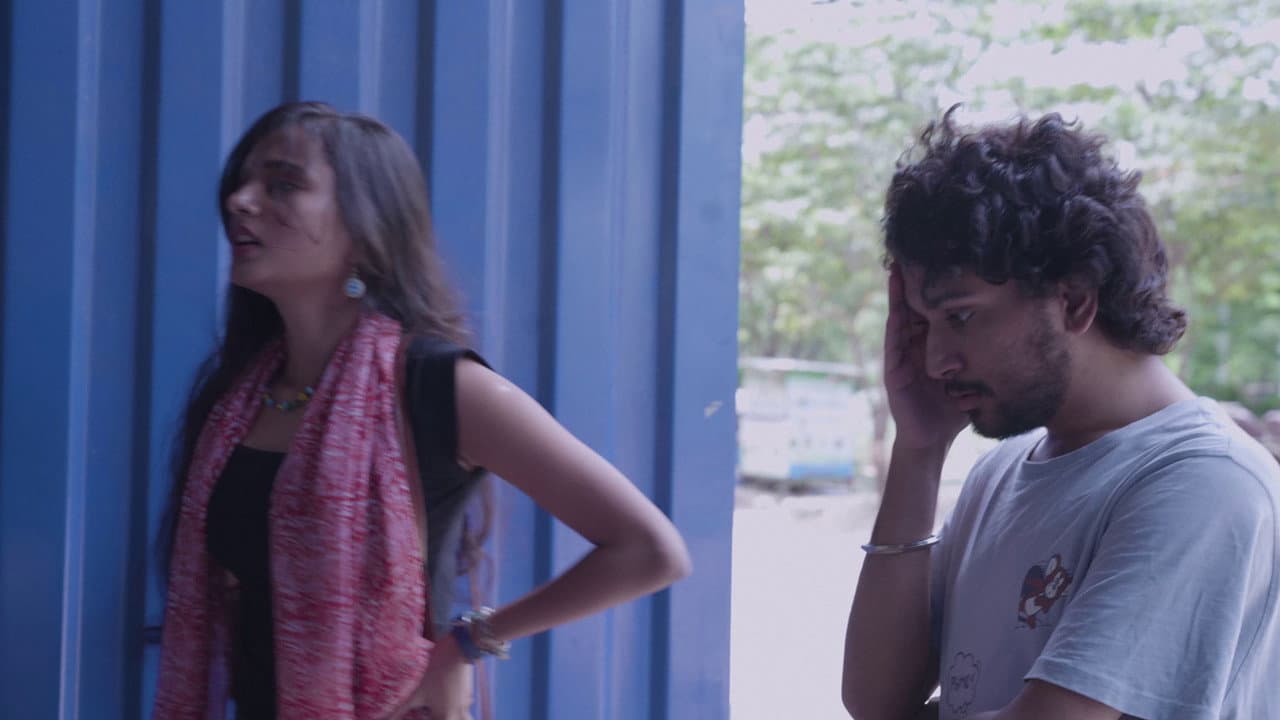
The premise is deceptively simple. A classist woman - referred to only as Madam - finds herself trapped in a life-or-death situation. Her survival strategy is hardly heroic; she drags along an innocent stationery shop worker who happens to be in the wrong place at the wrong time. What follows is a tight, claustrophobic dance between panic and absurdity. Nithin, who also plays the Auto Driver in a neat bit of casting symmetry, directs with a clear understanding that the funniest moments often arrive on the heels of genuine dread.
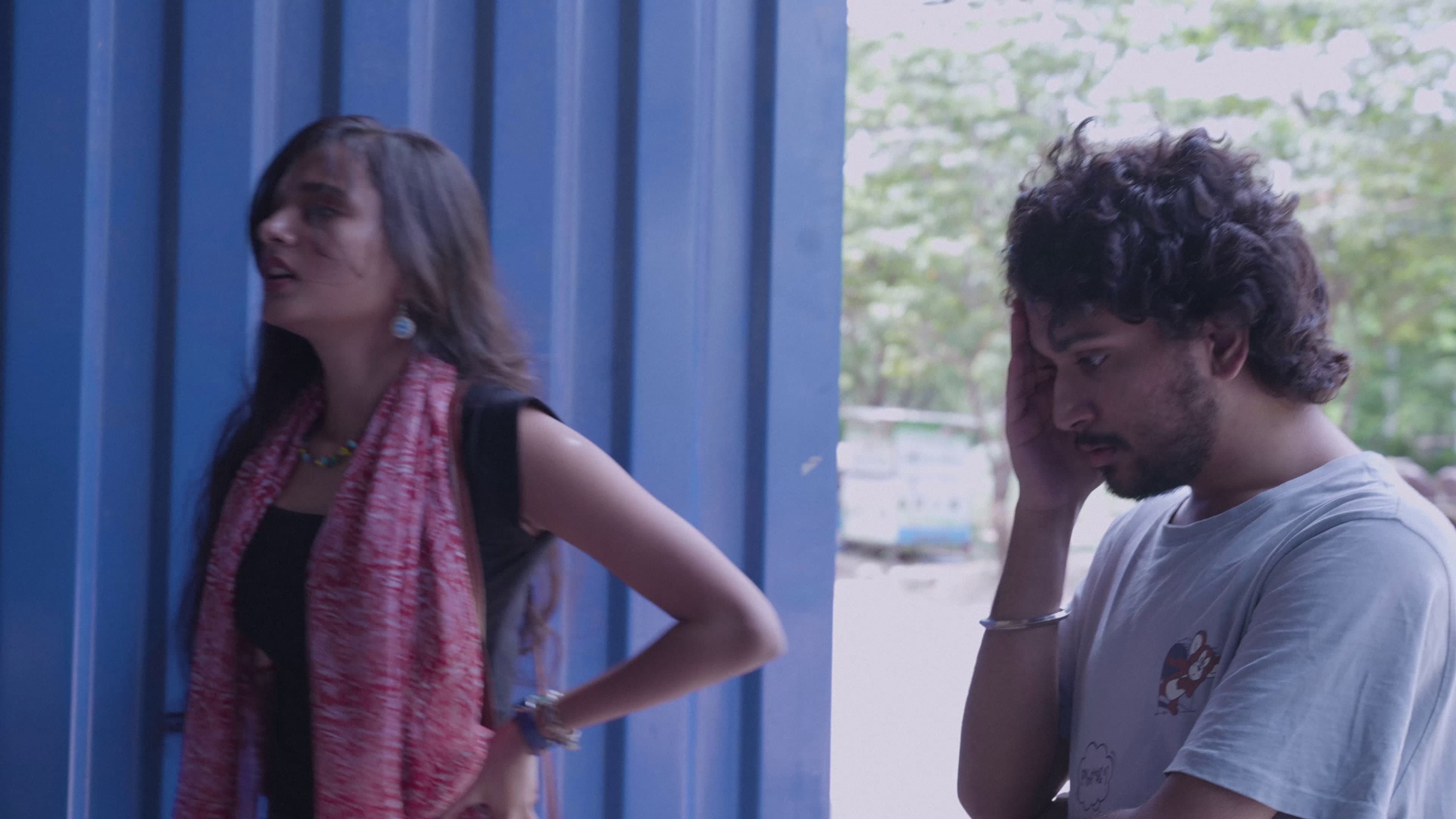
Siddharth Devaraju anchors the chaos as Siddha. He is not your typical action hero. He is bewildered, likely underpaid, and entirely unequipped for the criminal underworld that suddenly envelops him. Devaraju plays the role with a wide-eyed sincerity that makes the character’s fear palpable. He does not try to be clever; he simply tries to survive. Opposite him, Siri brings a sharp, brittle energy to Madam. She is not a villain, but she is hardly a victim either. Her classism is not a throwaway character trait; it is the engine of the film’s comedy. She looks down on Siddha even as she clings to him for dear life, barking orders at a man whose only weapons are a ledger book and a ballpoint pen.
The supporting cast fills out the bizarre world with just enough color. Abhinav and Gopi Pulluru appear as GHMC Doctors, a pair that seems to exist in a slightly different register of absurdity than the main plot. Santhosh plays the Stationary Shop Owner with a weary familiarity, suggesting he has seen Siddha’s brand of panic before. And then there is Sri Harsha as “Gone in edit” - a credit that is both a joke and a nod to the film’s playful, meta-aware sense of humor. This is not a production that takes itself too seriously, even when the pulses are racing.
What makes A Toy Gun work is its commitment to the specific texture of its setting. This is not a glamorous Mumbai underworld of neon-lit nightclubs and sleek sedans. It is a world of cramped auto-rickshaws, sweaty waiting rooms, and stationery shops that smell of paper and old glue. The Hindi dialogue - sharp, colloquial, and often overlapping - feels ripped from a real argument you might overhear on a busy street. When Madam snaps at Siddha, it is not a polished movie insult; it is a raw, unfiltered burst of frustration from a woman who has never had to fend for herself and is now furious that she has to start.
The title itself is the film’s central joke and its thematic anchor. A toy gun is a prop, a child’s plaything. But in the hands of a desperate person, or placed against the temple of someone who does not know it is fake, it becomes a terrifying instrument. Nithin uses this duality to explore how power is often an illusion. Madam’s classist authority vanishes the moment her life is truly threatened. Siddha’s perceived worthlessness becomes his only asset - because no one suspects the stationery boy. The film does not preach; it simply lets the absurdity play out until the final, breathless resolution.
Stylistically, the film moves with the efficiency of its fifteen-minute runtime. There are no wasted establishing shots, no lingering monologues. Nithin trusts the audience to keep up, and the editing - presumably where Sri Harsha was “gone in edit” - is crisp, particularly in the sequences where panic sets in. The sound design is equally effective; the muted, mechanical click of the toy gun becomes a sound more chilling than any actual gunshot.
If there is a criticism, it is that the film could easily sustain a longer runtime. The characters of the two GHMC doctors feel like they belong to a broader subplot that was trimmed for time. One suspects there is a version of this story that unfolds over ninety minutes, allowing the class dynamics between Madam and Siddha to breathe even further. But as a short, A Toy Gun is a tight, nasty little delight.
With an unverified TMDb rating sitting at zero - a placeholder that will surely change as audiences discover it - the film is currently a hidden gem of the 2026 Bollywood short-film circuit. It does not rely on stars or spectacle. It relies on a simple, brutal truth: that the most dangerous weapon in the room is often the person holding it, and that the most useful ally is the one you never thought to respect. For anyone who has ever felt overlooked, A Toy Gun is a small, savage victory.