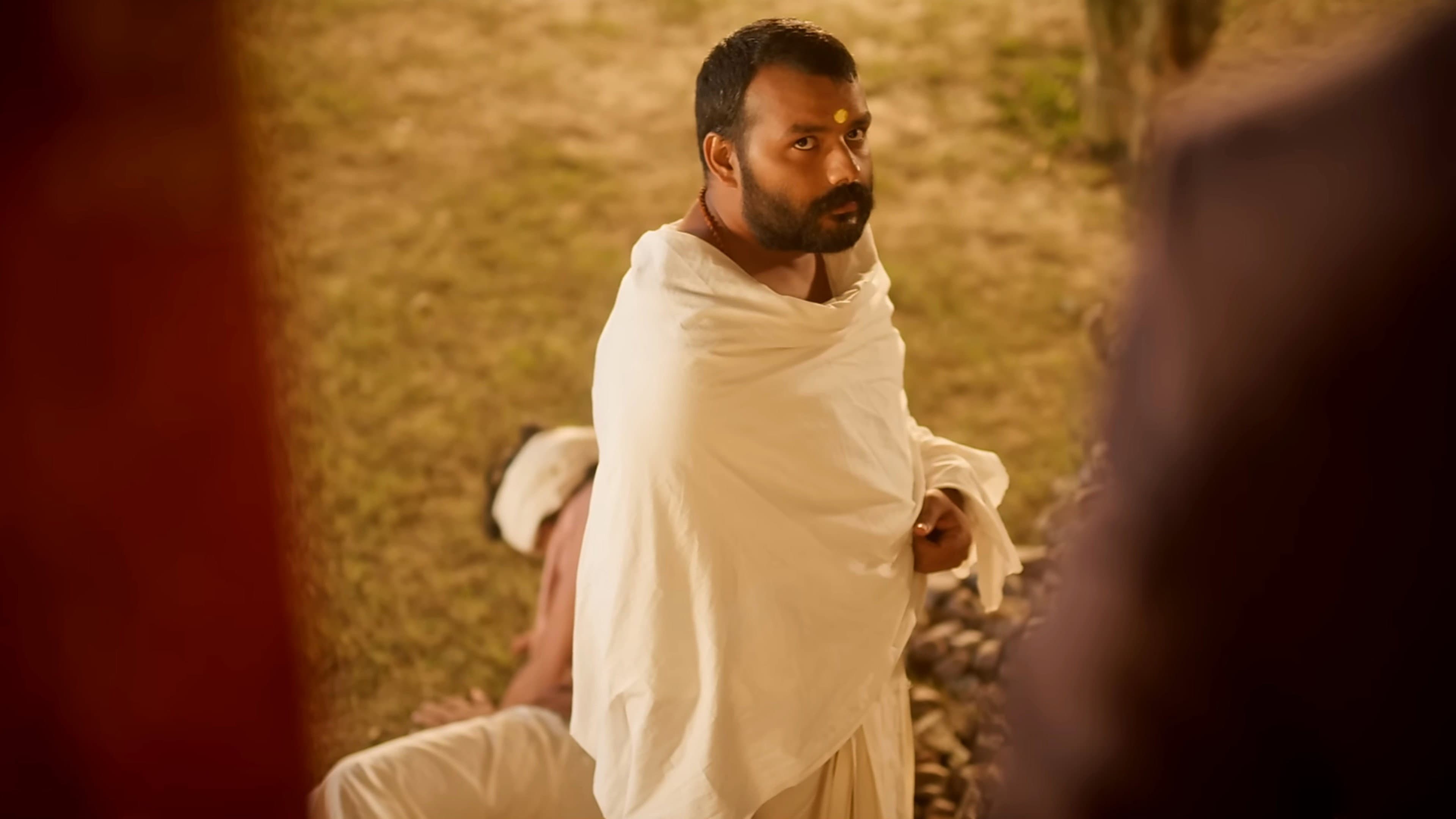
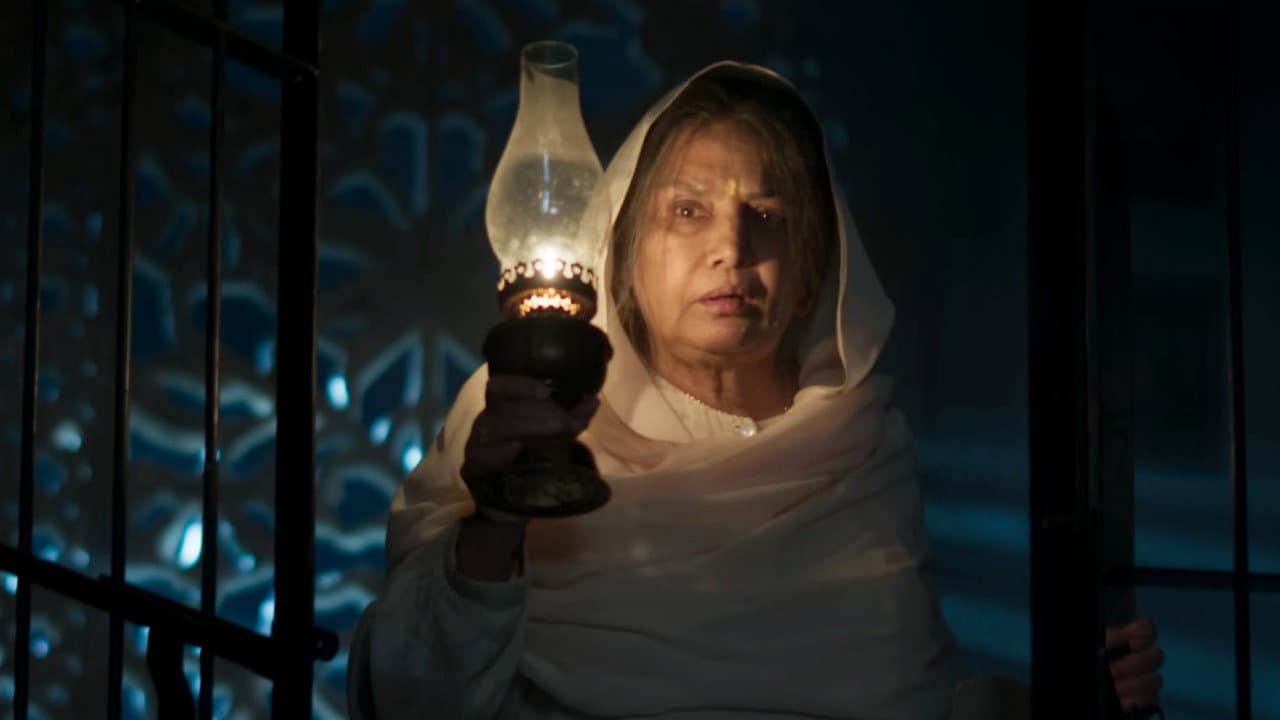
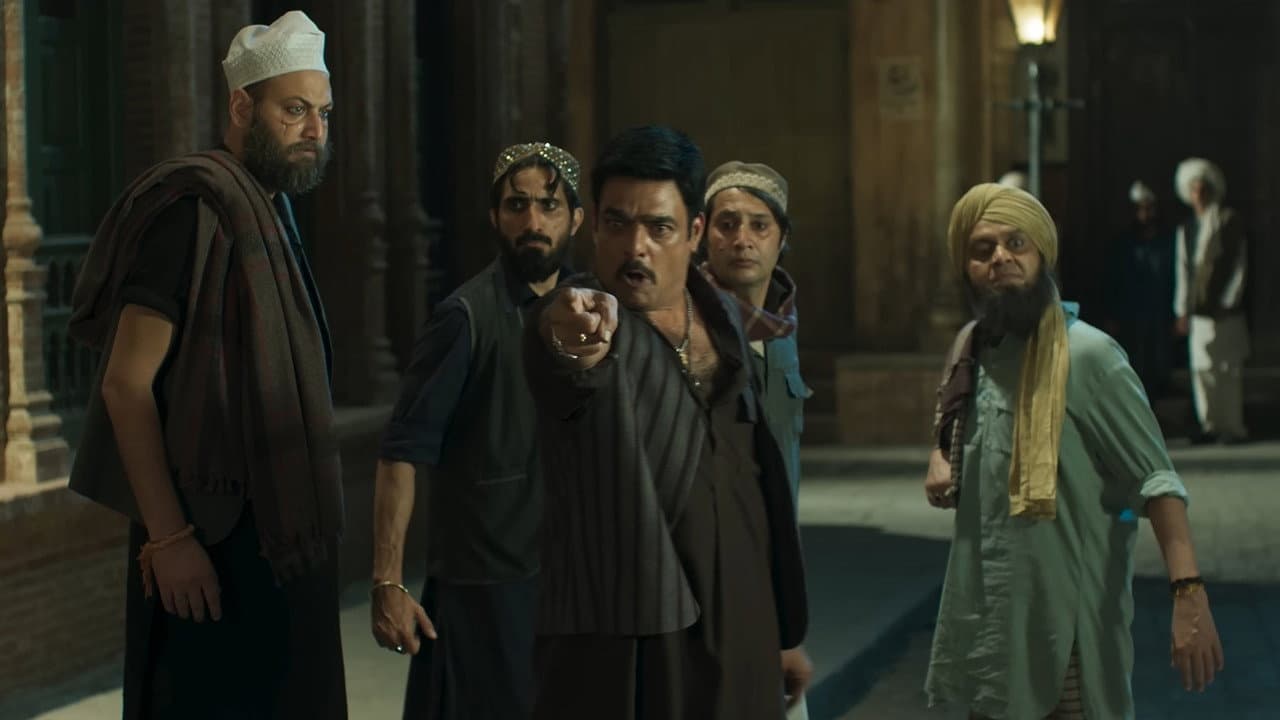
The calendar reads July 26, 2026. In less than three weeks, Rajkumar Santoshi - the man who gave us the searing Gadar: Ek Prem Katha and the darkly comic Andaz Apna Apna - returns to the terrain of Partition with Batwara 1947. But this time, the lens is not on a love story across borders; it is trained on one stubborn, elderly woman in Lahore who refuses to accept that her home now belongs to strangers. The first trailer, dropped a month ago, showed Shabana Azmi’s weathered hands gripping a wooden doorframe while a young boy played a flute in the courtyard - no music, just the sound of wind. It was enough to send chills across the subcontinent.
Release Date & Where to Watch
Mark your calendars: Batwara 1947 arrives in cinemas on August 13, 2026 - just a day before India’s Independence Day and the 79th anniversary of the Partition it so intimately dramatises. The runtime is a robust 145 minutes, and the film will be released in Hindi with subtitled versions expected in major metropolitan centres. As of now, no OTT platform has been announced; the makers are betting on a theatrical-first experience. Given Santoshi’s track record of delivering mass-appeal epics, expect a wide release across multiplexes and single screens in India, Pakistan via special arrangements, and select international markets (the diaspora will find it in cinemas from London to Dubai). No word yet on a satellite premiere, but with a cast this heavyweight, the buzz suggests a digital arrival later in the year.
Cast & Crew
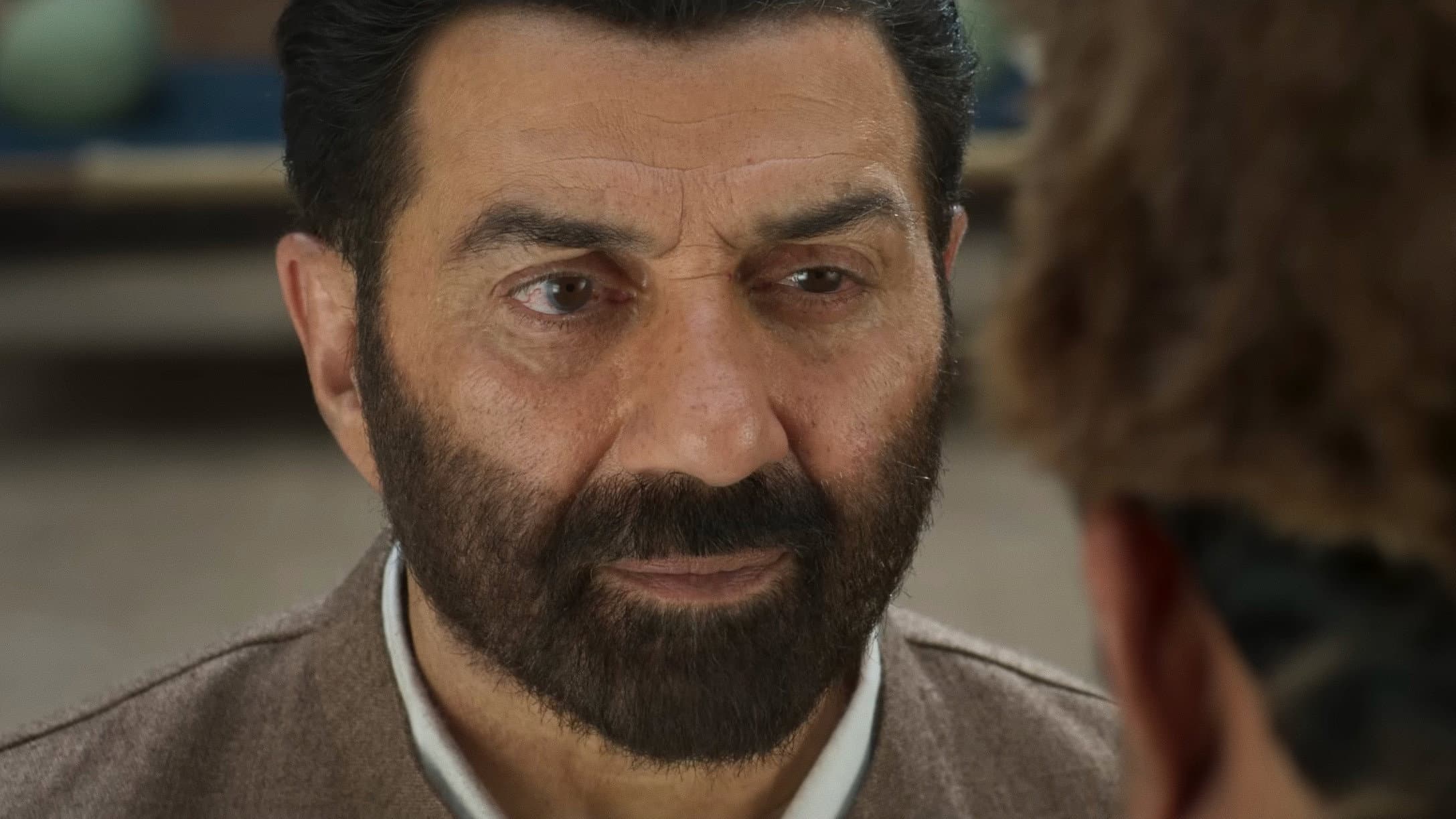
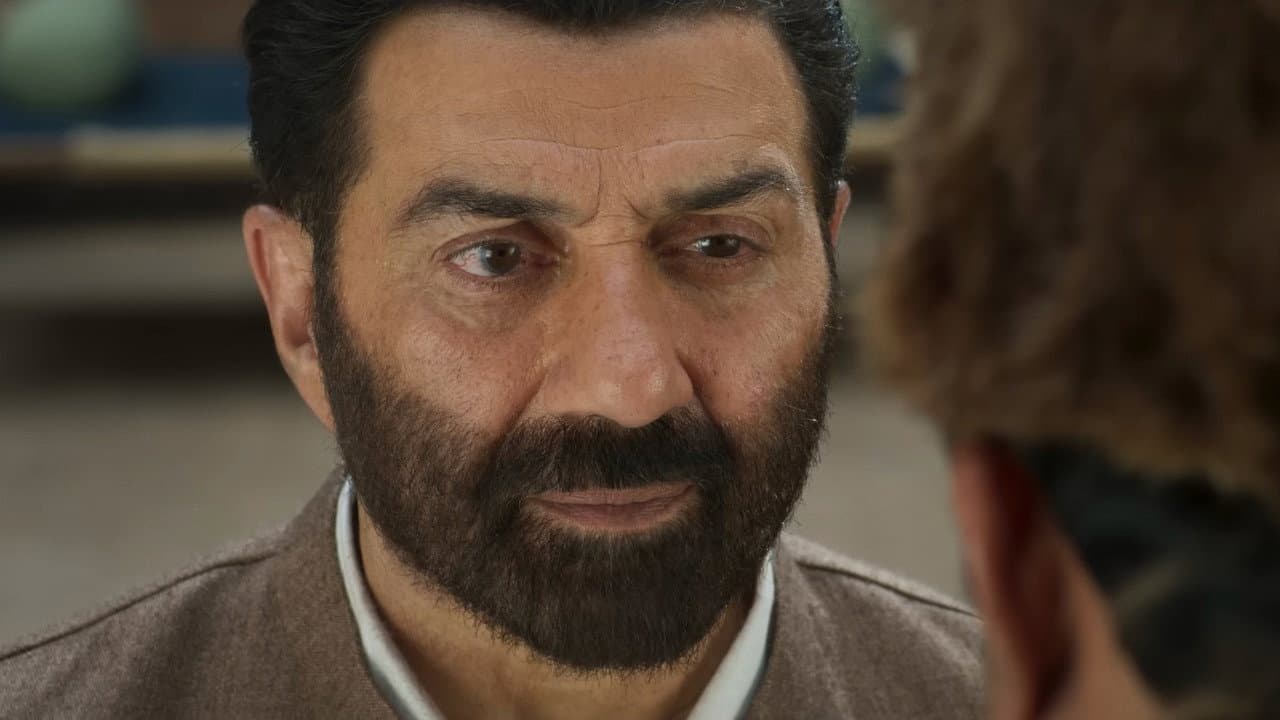
The ensemble is a masterclass in casting. At the heart of the storm is Shabana Azmi as Mai - the elderly Muslim woman who refuses to walk away from the house her ancestors built. Azmi, who has played matriarchs of steel and grace, brings a stillness that the trailer hints at: a woman who burns her own marriage certificate rather than let a looters’ mob take it. Sunny Deol plays Sikander Mirza, Mai’s hot-headed son, a former wrestler whose loyalty to his mother wars with the rising tide of violence. Deol, no stranger to explosive roles, is reportedly understated here - the trailer shows him breaking a wooden cot in silence, not in rage.
Preity Zinta returns to the screen after a long hiatus as Hamida Mirza, Mai’s daughter-in-law, caught between her husband’s defiance and her own fears for her children. The young actors - Karan Deol (no relation to Sunny, but a debutant with his own legacy) as Javed Mirza, and Khushi Hajare as Tanvir Mirza - play the grandchildren who witness the unraveling of their world. Abhimanyu Singh steps into the role of Yaqoop Pehalwan, a local strongman who begins as a protector but becomes a pawn in larger political games. Ali Fazal plays Nasir Kazmi, a poet and wanderer who arrives at the house just as the refugee caravan does. And Mithun Chakraborty lends his gravitas to Maulavi Ikramuddin, the neighbourhood cleric who tries - and fails - to hold the community together.
At the helm is Rajkumar Santoshi, whose filmography includes Lajja, The Legend of Bhagat Singh, and Halla Bol. He has long been fascinated by moral ambiguity in historical trauma; here, he reunites with his Gadar star Sunny Deol, but the tone is far more interior, less fireworks, more slow-burn.
Story & What to Expect
The premise, as revealed by the official synopsis, is deceptively simple. It is August 1947. Lahore is a city of blood and smoke. Mai, a Muslim widow in her seventies, refuses to abandon the ancestral home where she raised four children (two have already fled to India, one died in the riots). She insists the house will remain hers until her last breath. Then the Radcliffe Line is drawn, and the house falls on the Indian side of the new border - but Mai stays, despite being Muslim in what is now Pakistan. Her son Sikander and his family remain with her.
Months later, a Hindu refugee family from Lucknow is officially allotted the same house by the newly formed Indian government. They arrive with nothing but a trunk and a photograph of their own destroyed home. The story becomes a domestic war of attrition: one woman claiming ownership by memory, another family claiming it by legal decree, and the shared roof that cannot hold two griefs. The war genre tag suggests flashbacks to the violence that preceded the Partition - Santoshi has spoken in interviews about staging a 20-minute continuous take of a village massacre that will be shown in IMAX format - but the core drama is a chamber piece. Expect clashes over a shared kitchen, a stolen heirloom, a child’s sickness that neither side agrees to treat.
The action sequences, while infrequent, land hard. A scene where Sunny Deol’s Sikander fights off a group of looters with a lathi while his mother refuses to lock the door has already been singled out by test audiences. The war is not just in the streets; it is in the silences between Azmi and the refugee mother (played by a yet-unannounced actress, possibly Mrinal Thakur in a cameo). There is no simple villain: the refugee family is not cruel, just desperate. The Partition itself is the antagonist.
Why It's Worth Watching
Because this is not another Gadar. Santoshi is aiming for something quieter and, arguably, more devastating. The film refuses to take sides - it shows a Muslim family who stayed and a Hindu family who arrived, both victims of a political cartography that cared nothing for the people drawn on the map. Shabana Azmi, at 75, delivers what early whispers call a career-best performance: her Mai speaks only four sentences in the first hour, but her eyes do the work of a thousand dialogues. The casting of Mithun Chakraborty as a cleric who must bless the refugee family even as his own congregation disintegrates adds a layer of tragic irony.
The technical team is top-tier: music by A.R. Rahman (his second collaboration with Santoshi after Halla Bol), cinematography by Sudheer Palsane, who shot Tumbbad and knows how to make a house feel like a character. The 145-minute runtime is a commitment, but every frame appears purposeful. In an era of bombastic biopics and sanitised historicals, Batwara 1947 promises to be a thorny, human-scaled epic - a reminder that the lines drawn in 1947 are not merely borders on a map, but scars carried in the heart of a single dwelling. Expect tears, arguments in the foyer, and a final shot that lingers long after the credits roll. If you care about cinema that dares to ask uncomfortable questions about belonging and loss, this one is unmissable.