The whispers started small, of course. A strange film, a debut director with a vision too dark for comfort, a leading lady carrying a 142-minute nightmare on her shoulders. But by the time the first proper teaser for Bokshi slithered online, the noise had become a roar. And now, with the release date locked and the festival buzz already comparing it to the slow-burn dread of Tumbbad and the psychological weight of Masaan, Bhargav Saikia’s horror-drama is poised to be the most unsettling Diwali-season surprise of 2026. Forget firecrackers; this one burns from the inside out.
Release Date & Where to Watch
Mark your calendars for October 9, 2026. That’s the Friday Bokshi hits theatres nationwide, and trust me, this is a film that demands the dark, the silence, and the shared collective gasp of an audience. This is not a lazy OTT drop; the production house is betting big on a theatrical experience, and given the visual language teased so far - all mist-laden plateaus, cavernous shadows, and a sound design that apparently uses silence like a weapon - it’s the right call. While a streaming premiere will inevitably follow weeks later (likely on a major Hindi platform given the buzz), the film’s marketing has been crystal clear: see it with a crowd, or don’t see it at all. There’s no word yet on a dubbed version, but for a film set largely in a Hindi-speaking belt with naturalistic dialogue, the original language track is the only way to go.
Cast & Crew
The name of the game here is precision casting. Leading the charge is Prasanna Bisht, a fiercely talented actress known for her work in indie shorts and a breakout supporting role in a recent Netflix anthology. As Anahita, she carries almost every frame, and early word from private screenings suggests she delivers a performance of raw, fractured vulnerability - a girl whose grief has made her porous to the supernatural.
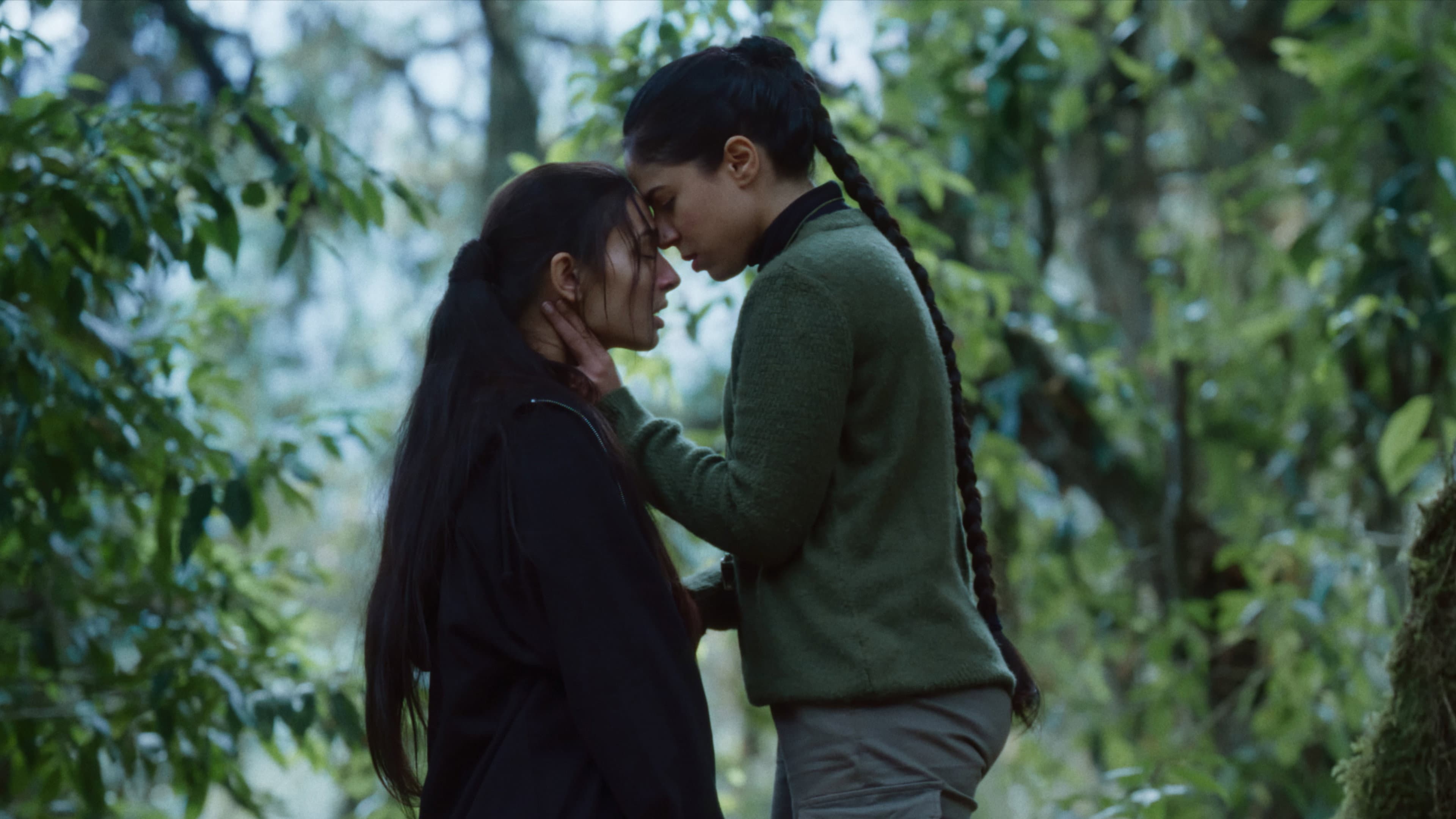
Opposite her is Mansi Multani, playing Shalini, the history teacher who becomes Anahita’s emotional anchor. Multani, last seen in a acclaimed Marathi drama, brings her trademark quiet intensity; her presence is the film’s emotional hinge. The veteran Swaroopa Ghosh steps in as Kadambari, a role that promises to be the film’s moral compass and its most cryptic oracle. The supporting cast, including Rohit Tiwari, Sandeep Shridhar Dhabale, Siddharth Shaw, and Trishala Tamang, all fit into the fabric of a school trip gone horribly wrong.
But the most intriguing credit? Shernaz Patel as the voice of Bokshi. Yes, the titular witch or ogress is seen only through shadows and suggestion, her terror delivered entirely through Patel’s chilling vocal performance. That’s a bold choice - an invisible antagonist - and it speaks volumes about director Bhargav Saikia’s confidence. Saikia, a former assistant director on several acclaimed Assamese films, is making his feature debut here. And given the tonal control he exercises over the first two acts, he’s a name you’ll be hearing a lot of in the next few years.
Story & What to Expect
The official logline is deceptively simple: Anahita, traumatised by the brutal disappearance of her mother, finds solace in her history teacher, Shalini. But this isn’t a simple pupil-teacher mentorship drama. Anahita’s trauma has left her with gaps in memory, night terrors, and an uncanny connection to folklore her textbook barely mentions. She starts seeing a figure - a haggard, long-limbed woman in the periphery of her vision - who whispers, in a language she almost remembers.
Then comes the school excursion. A “conventional” trip to a mysterious prehistoric site in the Chotanagpur plateau, where rock art and megaliths hint at an ancient matriarchal cult. Here, the film shifts from psychological realism into full folk-horror territory. The site isn’t just an archaeological dig; it’s a gateway. Anahita’s connection to the past becomes visceral. She begins to understand that her mother’s disappearance wasn’t a random act of violence - it was a payment, a blood tithe owed to Bokshi, the witch who has haunted her bloodline for generations.
Expect a slow, deliberate build. Saikia isn’t interested in cheap jump scares, though there are a few brilliantly crafted ones. Instead, he leans on the dread of inevitable inheritance. The prehistoric site serves as a mirror, forcing Anahita to reconcile her mother’s humanity with the monstrous fate she may have been chosen to continue. The drama is as important as the horror: the relationship between Bisht and Multani’s characters provides a tender counterpoint to the creeping dread, and their bond is what makes the third act’s gut-punch so effective. The final 30 minutes are reportedly a fever dream of ritual, possession, and an ending that leaves the audience gasping and debating in the aisle.
Why It's Worth Watching
First, the sheer ambition. A 142-minute Hindi horror film with a female-led, trauma-driven narrative and a deliberately restrained monster? That’s a hard sell in a market obsessed with ghost comedies and haunted-haveli jump scares. Saikia, to his immense credit, refuses to compromise. The script respects its audience’s intelligence, trusting them to piece together the lore without exposition dumps. The cinematography - shot largely on location in actual rocky terrain - grounds the supernatural in a gritty, sun-scorched reality, making the moments of darkness feel ten times more oppressive.
Second, the performances. Bisht is a revelation; she makes you feel the psychic weight of her visions, her body language shifting from a nervous teenager to a vessel of something ancient. Multani is her perfect foil, offering a lifeline of rational compassion that the film slowly, tragically, subverts. And Patel’s vocal work as Bokshi is the stuff of nightmares - it’s not a growl or a scream, but a soft, maternal hiss that feels like it’s right behind your ear.
Finally, it’s a film about a specific, brutal theme: the inheritance of pain. It uses the witch as a metaphor for the trauma women pass down, sometimes unknowingly, through generations of silence and violence. It’s not just a haunted girl story; it’s about the haunted mothers, grandmothers, and the choices they made to survive. That thematic weight elevates Bokshi from a scary movie into a genuinely moving, disturbing work of art. It’s risky, it’s slow, and it will frustrate audiences looking for a shallow thrill. But for those willing to sit with the discomfort, Bokshi is the most essential Hindi horror film of the year. Go in blind, sit in the back row, and brace yourself for the silence. It’s the loudest thing you’ll ever hear.