There is a particular kind of silence that settles over a woman of a certain age when the marriage ends. It is not the dramatic quiet of a slammed door, but the low, humming stillness of a life recalibrating. In Arvind Caulagi’s new short film, Second Chances, that silence is shattered not by a grand romantic gesture, but by the relentless, loving nagging of a younger sister.
Clocking in at a taut seven minutes, this Hindi drama - released just a week ago on September 6 - is a masterclass in micro-storytelling. It stars the always-reliable Shweta Tripathi Sharma as Nidhi, a recently divorced 41-year-old woman who enters the frame carrying the invisible weight of a life half-lived. Opposite her is Jamini Baviskar as Diya, the younger sibling whose energy is less a breath of fresh air and more a necessary, bracing gust of wind.
The premise is deceptively simple: Nidhi plans to spend her birthday weekend retreating from the world. Diya refuses to let that happen. What follows is not a plot-heavy narrative but a character-driven conversation that feels ripped from the diary of any woman who has ever been told that her "best years" are behind her.
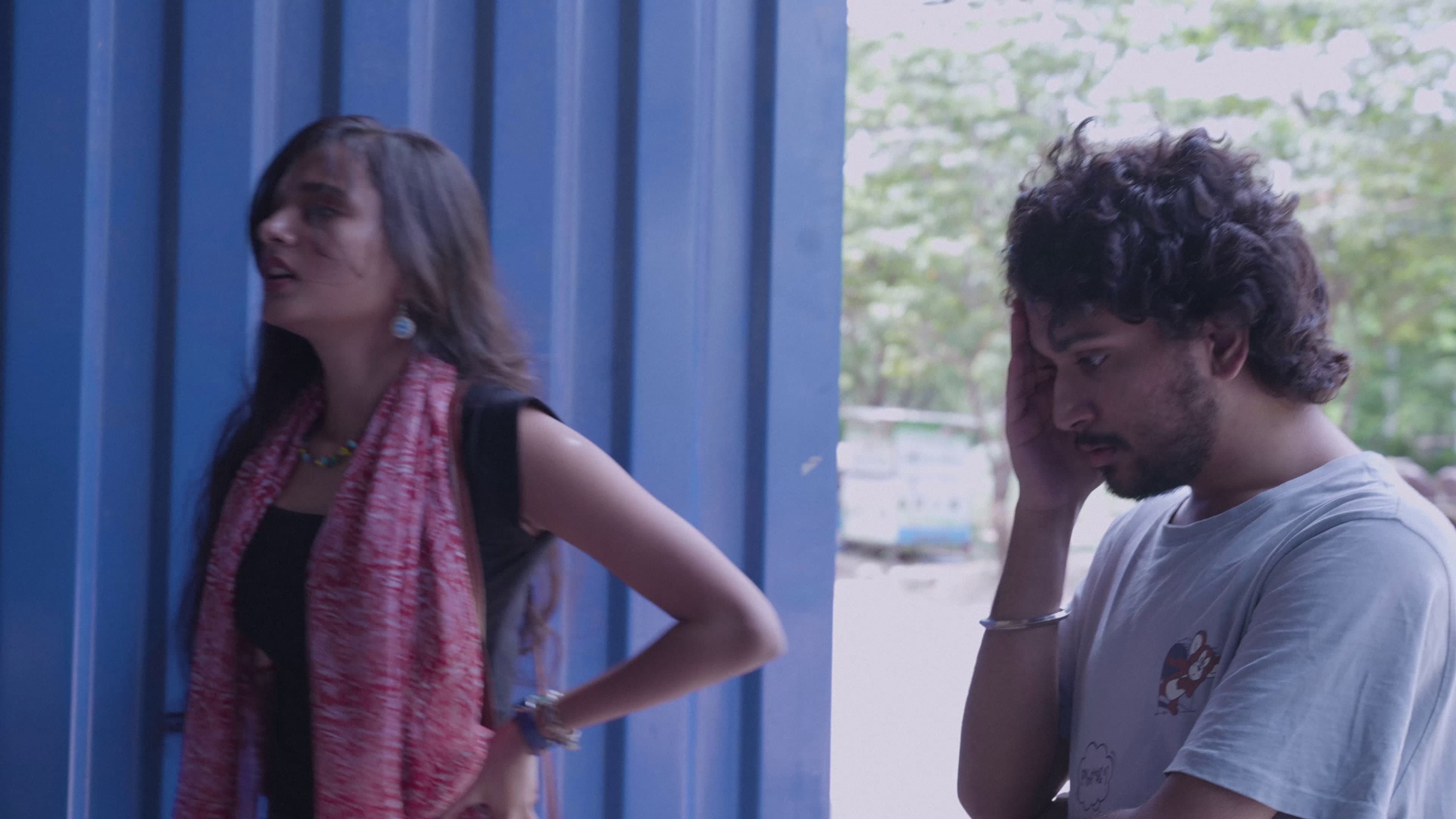
Caulagi, who directs with a sensitive eye for the unspoken, keeps the camera tight. The film does not rely on sweeping Mumbai skylines or grand theatrical sets. Instead, it weaponizes the intimacy of a living room. The runtime is brief, but the emotional real estate covered is vast. We watch Nidhi wrestle with the societal script that says a divorced woman in her forties should be apologetic, grateful for scraps of attention, and above all, quiet. Diya, however, is not interested in that script.
"The idea is not to find you a man," Diya tells her sister at one point, a line that cuts through the typical Bollywood tropes of a woman needing validation through romance. "The idea is to find you."
It is a line that could easily veer into cliché, but Tripathi Sharma sells it. Her Nidhi is not a victim; she is a woman in a state of suspension. There is a scene - brief, almost a blink - where Nidhi looks at her own reflection. The micro-expression that flits across Tripathi Sharma’s face is not self-pity, but a flicker of recognition. Who is this person who is no longer a wife? The film posits that this is not a tragedy, but a question.
Baviskar’s Diya serves as the catalyst. She is not a therapist, nor is she a saint. She is annoying in the way that only family can be, pushing and prodding because she sees potential where Nidhi sees only ruins. The chemistry between the two actors is naturalistic, lacking the performative intensity often seen in family dramas. They bicker, they laugh, they sit in uncomfortable silence. It feels real.
The film’s genre classification - Drama, Family - is apt, though it leans heavier on the drama of internal conflict than external events. At just seven minutes, Second Chances is a sprint, but it manages to pack in a full character arc. It asks what happens when the life you meticulously built collapses. It suggests that the answer isn't necessarily to rebuild the same structure, but to wander the rubble and decide which foundation stones are worth keeping.
Notably, the film does not offer a saccharine resolution. Without spoiling the ending, it would be inaccurate to call it a happy one. It is, however, a hopeful one. It leaves Nidhi - and the audience - with a sense of agency. The birthday weekend does not end with a marriage proposal or a magical career opportunity. It ends with a decision. A small one. A private one. But a second chance nonetheless.
In a landscape often dominated by sprawling three-hour epics and high-octane thrillers, Second Chances is a quiet anomaly. It is a short film that understands the value of a glance, a sigh, and the weight of a sister’s stubborn love. It is a slice of life that feels particularly resonant in 2026, a time when conversations about female agency and the redefinition of middle age are finally moving to the center stage.
Caulagi has crafted a piece that is both specific to the Indian context - where divorce still carries a vestigial stigma - and universally relevant. It is a reminder that you are never too old to be asked what you want, and you are never too late to answer.
Currently rating a 0/10 on TMDb due to limited voting data, the film’s true value lies in its narrative. Second Chances is currently available for streaming. It is a brief, but vital, watch. For anyone who has ever needed a younger sibling to drag them out of the dark, it is a mirror. For everyone else, it is a window into a struggle that is quietly, painfully, and beautifully human.