There is a particular kind of silence that surrounds certain chapters of Indian history. It is not the silence of forgetting, but of something more deliberate - a quiet that feels curated, managed, as though the past itself has been asked to hold its breath. The disappearance of Netaji Subhas Chandra Bose in August 1945 is one such silence. The official account, which holds that he died in a plane crash in Taihoku, Formosa, has never quite settled into the public conscience. Too many questions. Too many inconsistencies. Too many people who knew too much saying too little.
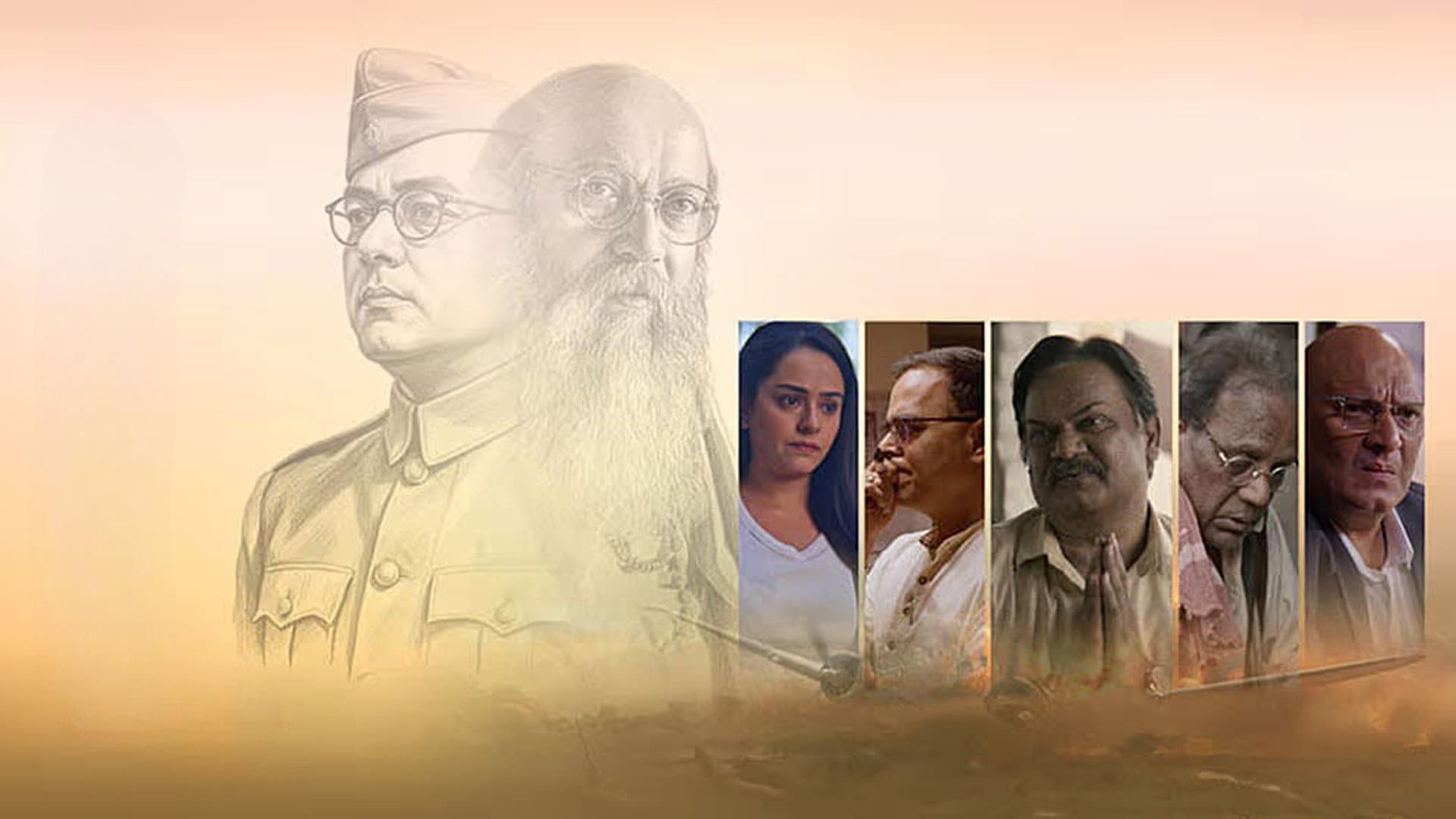
Rajesh Gupta's new film, The Bose Files: Sach Ya Sazish, arrives in theatres on July 30, and it does not tiptoe around that silence. It walks straight into it. With a runtime of 127 minutes, this Hindi-language drama doesn't pretend to be a documentary, nor does it claim to have solved a mystery that has confounded historians for eight decades. Instead, it does something more interesting: it dramatises the obsession of seeking truth, and the cost of finding it.
The film centres on Anuj, a researcher played with a simmering, almost uncomfortable intensity by Yatin Karyekar. Anuj is not a hero in the conventional sense. He is a man who has sacrificed much - relationships, stability, perhaps his own peace of mind - to a single question: what really happened to Bose? His work brings him into contact with Veerali, a character whose entry into the narrative serves as both catalyst and conscience. Apoorva Arora plays Veerali with a quiet resolve that grounds the film's more feverish moments.
What Gupta has assembled here is less a whodunit than a meditation on why we need to know. The supporting cast is formidable. Akhilendra Mishra brings a weary gravitas to his role, while Virendra Saxena, as always, makes the most of every scene he occupies. These are actors who understand that the best dialogue is often what isn't said.
The film's rating on TMDb currently sits at a remarkable 9 out of 10, a figure that reflects not just the quality of the filmmaking but the raw nerve it touches. Audiences are responding to something beyond entertainment here. They are responding to recognition.
Gupta, who has spent much of his career exploring the fault lines between official history and lived experience, understands that the Bose question is not merely academic. It is emotional. It is about national identity, about the stories we tell ourselves to make sense of a past that refuses to stay put. In one of the film's most powerful sequences - and I will not spoil it here - Anuj confronts the realisation that evidence, however damning, does not always lead to resolution. Sometimes it leads only to more questions.
The Bose Files: Sach Ya Sazish does not claim to have the answers. What it offers instead is a portrait of inquiry itself: messy, frustrating, occasionally dangerous, but ultimately necessary. The film argues, quietly but firmly, that the pursuit of truth is not a luxury but a responsibility. That the dead deserve more than convenient narratives. That a nation that cannot interrogate its own myths is a nation that has chosen comfort over courage.
The cinematography, while not flashy, serves the story well. There is a deliberate austerity to the visual language here, a refusal to romanticise what is essentially a story about archives, testimonies, and the slow accumulation of doubt. The music, too, is restrained, never telling us what to feel but simply holding space for us to feel it.
Where the film stumbles, occasionally, is in its pacing. The middle act sags under the weight of exposition, and some viewers may find themselves wishing for a tighter edit. But these are minor quibbles in a film that otherwise achieves what it sets out to do: it makes us care about a question that many had consigned to the footnotes.
In an era when historical films often veer toward the triumphalist or the sensational, The Bose Files: Sach Ya Sazish chooses a different path. It chooses doubt. It chooses inquiry. It chooses the uncomfortable, unresolved, deeply human act of asking: what if we were wrong?
That is not a question that sells tickets easily. But it is the question that this film asks, and it asks it well. For anyone who has ever wondered about the silence surrounding Netaji's final days - or about the silences we all carry - this is essential viewing. It is now playing in theatres.
The Bose Files: Sach Ya Sazish is a Hindi-language drama directed by Rajesh Gupta, starring Yatin Karyekar, Akhilendra Mishra, Apoorva Arora, and Virendra Saxena. Runtime: 127 minutes.