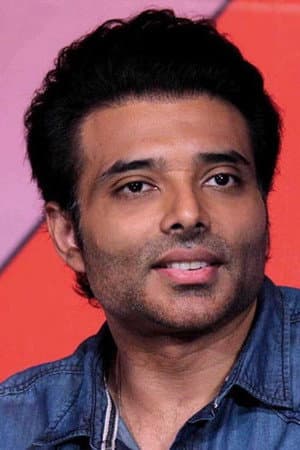
Abhishek Pathak has built a career with two intertwined halves: one spent getting films made, the other spent shaping them. TMDb, a film database, lists him as an Indian producer and director working predominantly in Bollywood, the Mumbai-based Hindi film industry. That dual description matters, because so much of what defines his work sits in the relationship between those two jobs. This feature looks at the titles he has been credited on, the patterns that run through them, and the reasons a viewer unfamiliar with Hindi cinema might want to know the name.
A Producer's Instinct, A Director's Hand
The producer is the person who finances a film and assembles the team that makes it. The director shapes performances and the final cut. Pathak has done both, and the record shows a producer's output far larger than his directing slate.
His earliest listed credit is Boond (2009), where he carries both director and story writer, the story writer being the person credited with the original idea. Producing followed steadily across more than a decade: Pyaar Ka Punchnama (2011), Drishyam (2015), Alone (2015), Raid (2018), Pagalpanti (2019), Khuda Haafiz (2020) and Khuda Haafiz Chapter 2: Agni Pariksha (2022). Later producer credits include Shaitaan (2024) and Raid 2 (2025).
What connects that list is range held together by discipline. There is broad comedy in Pyaar Ka Punchnama and Pagalpanti, suspense in Drishyam and Shaitaan, action in the Khuda Haafiz titles, and the crowd-pleasing mixture Hindi cinema calls masala, several genres served in a single film. A producer's real work is deciding which films get made at all. Here the pattern is variety anchored by stories with a strong central idea.
Where the Directing Sits
Pathak's directing credits are fewer, and each sits inside a world he already knew from the producer's chair. Drishyam 2 (2022) lists him as director, producer and screenplay writer. A screenplay is the written blueprint of a film: scenes, dialogue, structure. The story returns to Vijay Salgaonkar seven years after the case against his family was closed, when unexpected events bring the truth to light and threaten to change everything for the Salgaonkars.
Drishyam: The Conclusion (2026) again lists him as director, producer, and writer of both screenplay and story. Years after outsmarting the police, Vijay's past resurfaces when new evidence threatens to expose his secret. As the investigation reopens, he must outwit the system once more to save his family.
The first Drishyam (2015), on which he is credited as producer, set the template. Its Vijay, facing criminal charges, channels street smarts and a knowledge of action films to tie the long arm of the law into what the plot describes as an investigative knot. Across all three, the pull is the same: an ordinary man, a family under pressure, and an institution holding more power.
Why the Name Travels
Step back and the shape of the career is clear. Pathak returns to certain kinds of stories: the family as the thing worth protecting, the system as the thing to be outmanoeuvred, and the ordinary person who turns out sharper than anyone expected.
He returns to franchises too. Two of his producer credits, Raid (2018) and Raid 2 (2025), follow IRS officer Amay Patnaik; IRS stands for Indian Revenue Service, the national tax authority, which tells you at once who the hero is and where the opposition lies. The second is set seven years after the first, with Patnaik attempting to take down a seemingly benevolent politician. The Drishyam and Khuda Haafiz titles extend the same logic. Franchises matter in Hindi cinema because they carry an audience from one film to the next, and building one is an act of patience rather than luck.
For a reader outside the region, the reason to know the name is that double role. Here is a filmmaker who understands the business of a film and the craft of one, and who has kept both running across a body of work spanning comedy, action and suspense. A producer's instinct for what an audience will turn out for, joined to a director's hand on the material itself, is not a common combination. It is also the clearest argument for why this body of work rewards attention, and why the name belongs among the people worth following in Hindi cinema.