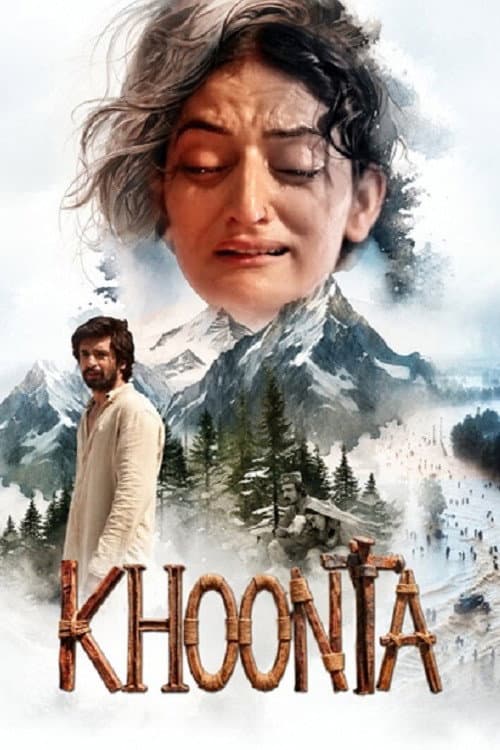
Let's be clear about what Khoonta is and isn't. It is not a mystery with a solution. It is not a social drama with a message. It is, instead, a mood piece - a meditation on waiting, loss, and the slow erosion of a way of life. At 123 minutes, it asks a lot of its audience. Some will find its pacing meditative; others will find it maddening. Both reactions are valid.
Anushi Sharma, pulling double duty as director and lead, delivers a performance of remarkable interiority. Sati rarely speaks more than necessary. Her face does the heavy lifting - grief, defiance, tenderness, and a flicker of something like hope all passing through in a single close-up. As a filmmaker, Sharma shows an instinct for composition that borders on the painterly. The river is not just a setting; it is a character. The mist is not weather; it is mood. The village is not a location; it is a tomb with a heartbeat.
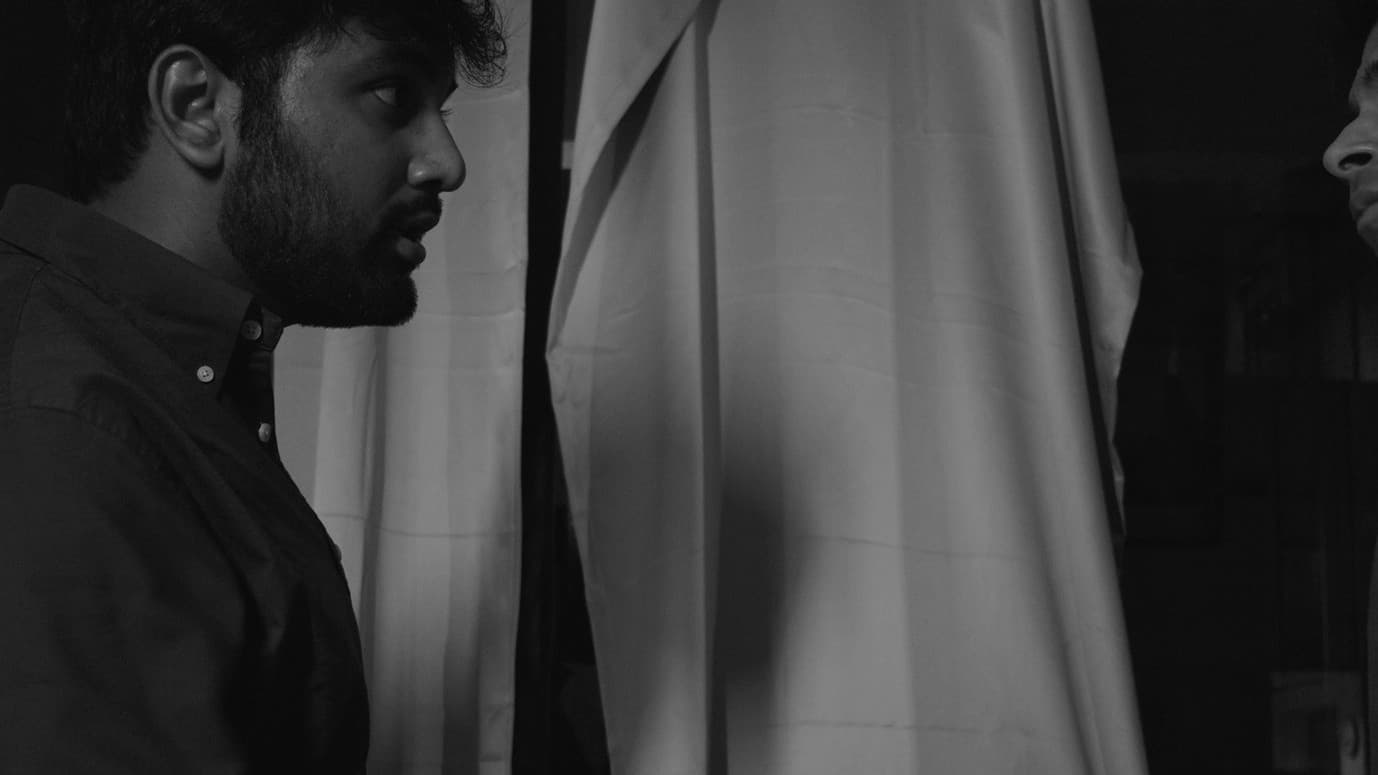
The supporting cast is uniformly strong, though the film's deliberate fragmentation means no one gets a full arc. Ishan Azad's Guntu provides the closest thing to warmth. Jawahar Kaul's Dada ji carries the weight of tradition with weary dignity. Karrtik Rao's Satpal is a quiet storm of resentment. These are not characters who explain themselves. They exist, they endure, they fade.
Where Khoonta stumbles is in its reluctance to commit. Ambiguity can be powerful, but here it occasionally tips into vagueness. Certain subplots - particularly the tension around the ration seller and the village's economic decline - feel underdeveloped, gestures toward themes rather than fully realised threads. The film's spiritual dimension, while evocative, sometimes borders on the opaque. A little more clarity would not have hurt.
But there is no denying the film's cumulative power. The final act, in which the river finally "speaks," is handled with a restraint that makes it all the more haunting. No grand revelation. No tidy resolution. Just the quiet acknowledgment that some truths are too heavy to name.
As of today, Khoonta holds a 0/10 rating on TMDb - a reflection of its limited visibility rather than its quality. This is a film that will find its audience slowly, through word of mouth and perhaps streaming. It deserves that patience.